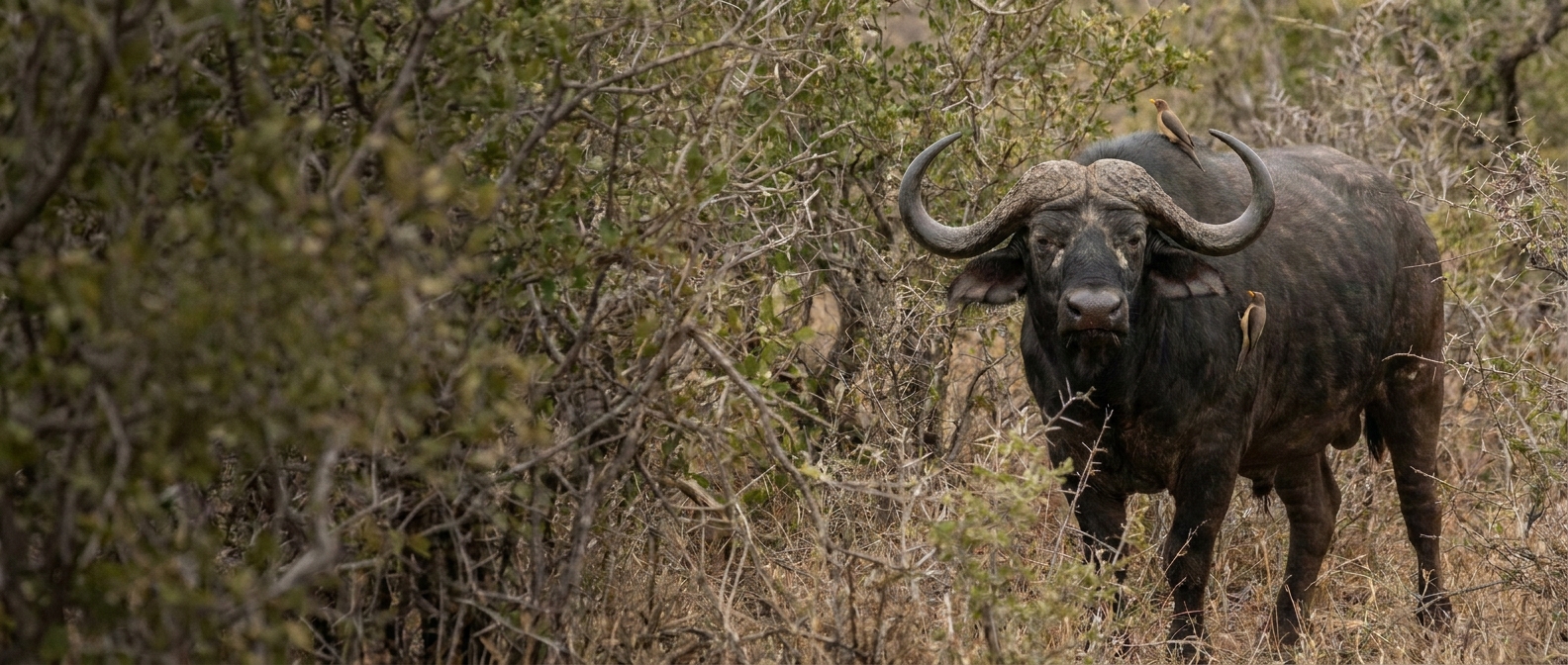
Black Death discipline on the Iron Mountain
Cape Buffalo · Syncerus caffer
Cape buffalo are not a plains-game footnote. They are Syncerus caffer, the southern buffalo that built African hunting legend on charge, follow-up, and respect.
Dangerous game in South Africa: legal minimum calibre is .375 (and listed equivalents). Your professional hunter’s rifle often backs yours. Ego is not part of the equipment list.
Buffalo live in herds of cows and young, bachelor groups, and the famous dagga boys that haunt thickets alone. They smell and hear at a level that humbles casual stalkers. For ecologists they are bulk grazers that reshape grass height. For hunters they are the animal that teaches follow-up ethics.
This monograph covers taxonomy within Syncerus, body and boss morphology, grazing and water patterns, herd politics, predation from lions, dangerous-game hunting culture, rifles and bullets with regulation in mind, shot placement language without replacing a PH, and meat notes where culture still uses the animal fully.
Taxonomy and the buffalo clan
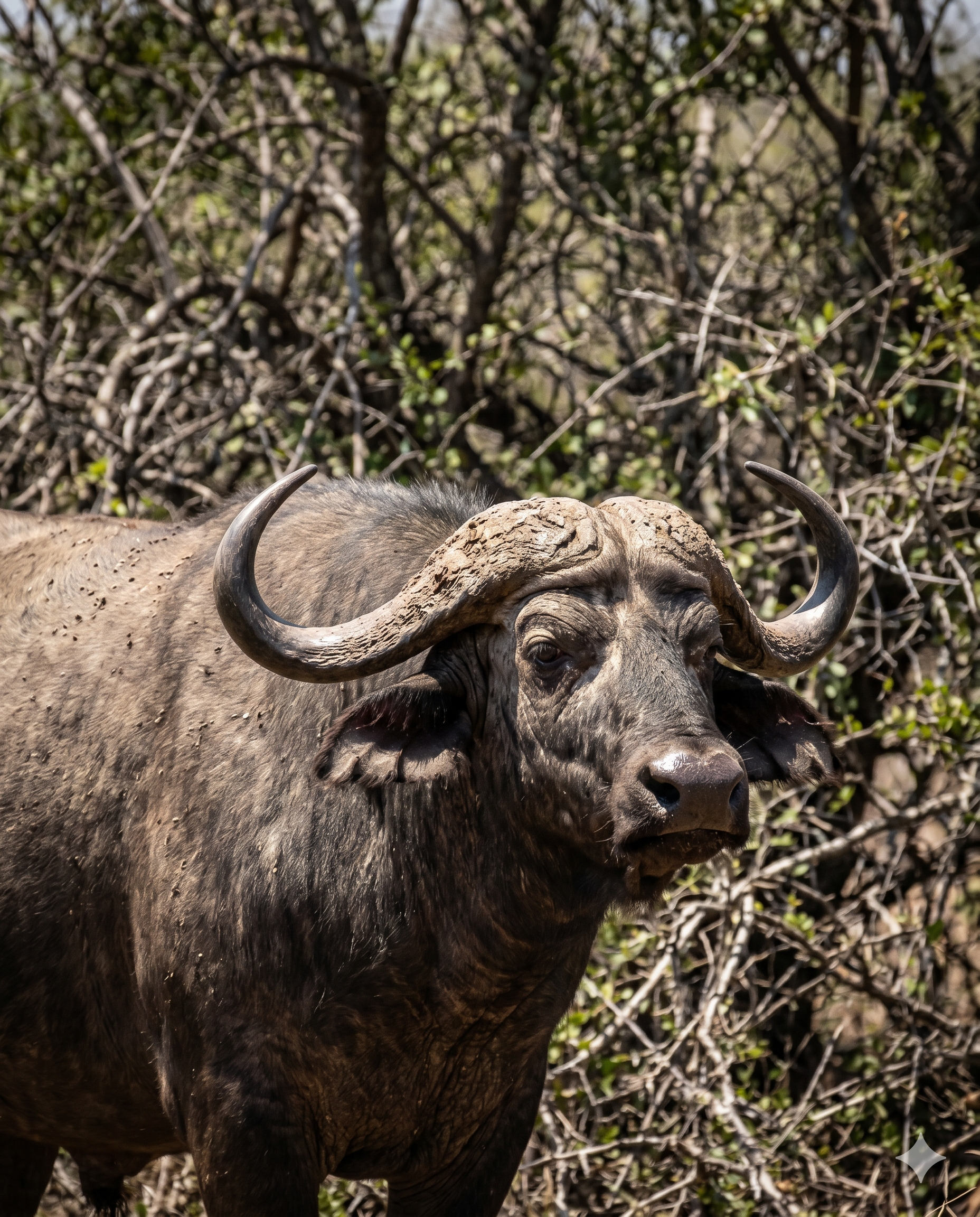
Forest buffalo and savanna buffalo narratives split in taxonomy debates. In South African hunting you meet Cape buffalo, Syncerus caffer caffer, the heavy bossed form of legend. They are not domestic cattle. Treat distance accordingly.
Cape buffalo
S. c. caffer
Southern and East African savanna form. Boss development, hooked horns, herd and solitary strategies.
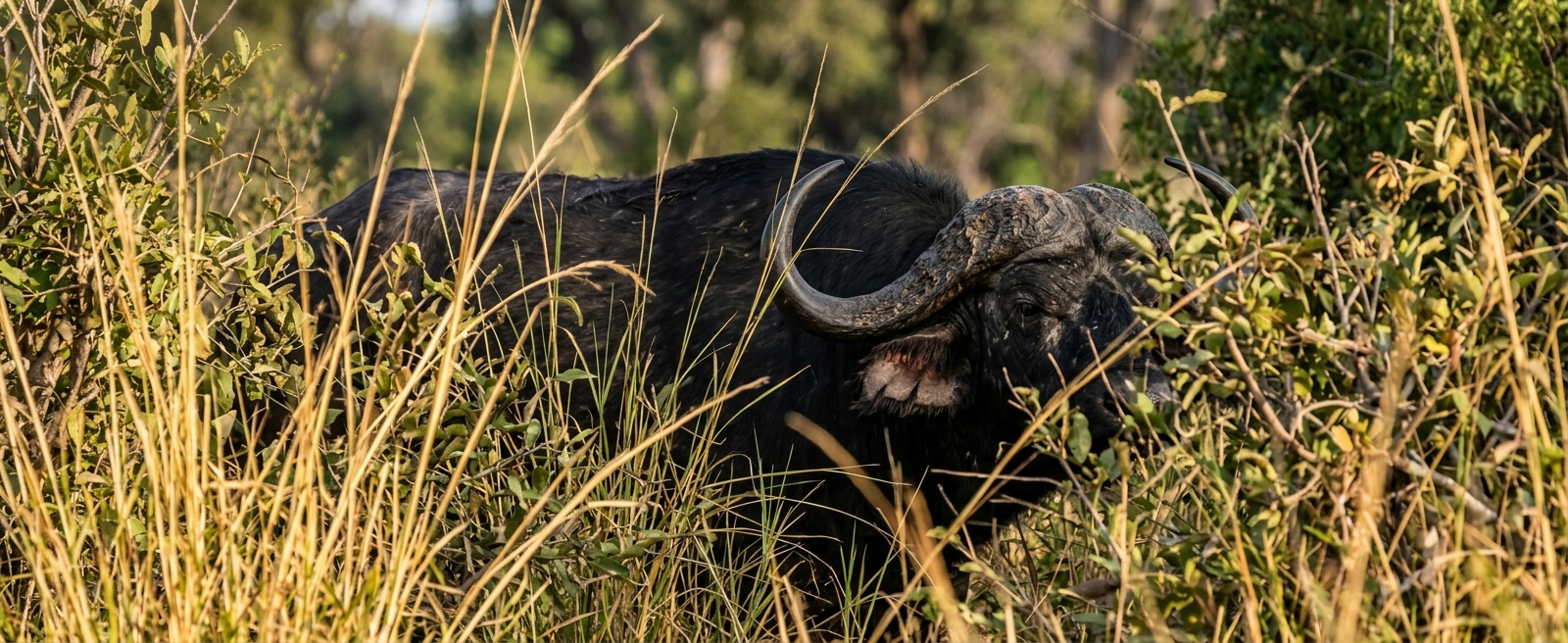
Dagga boys
Old bulls
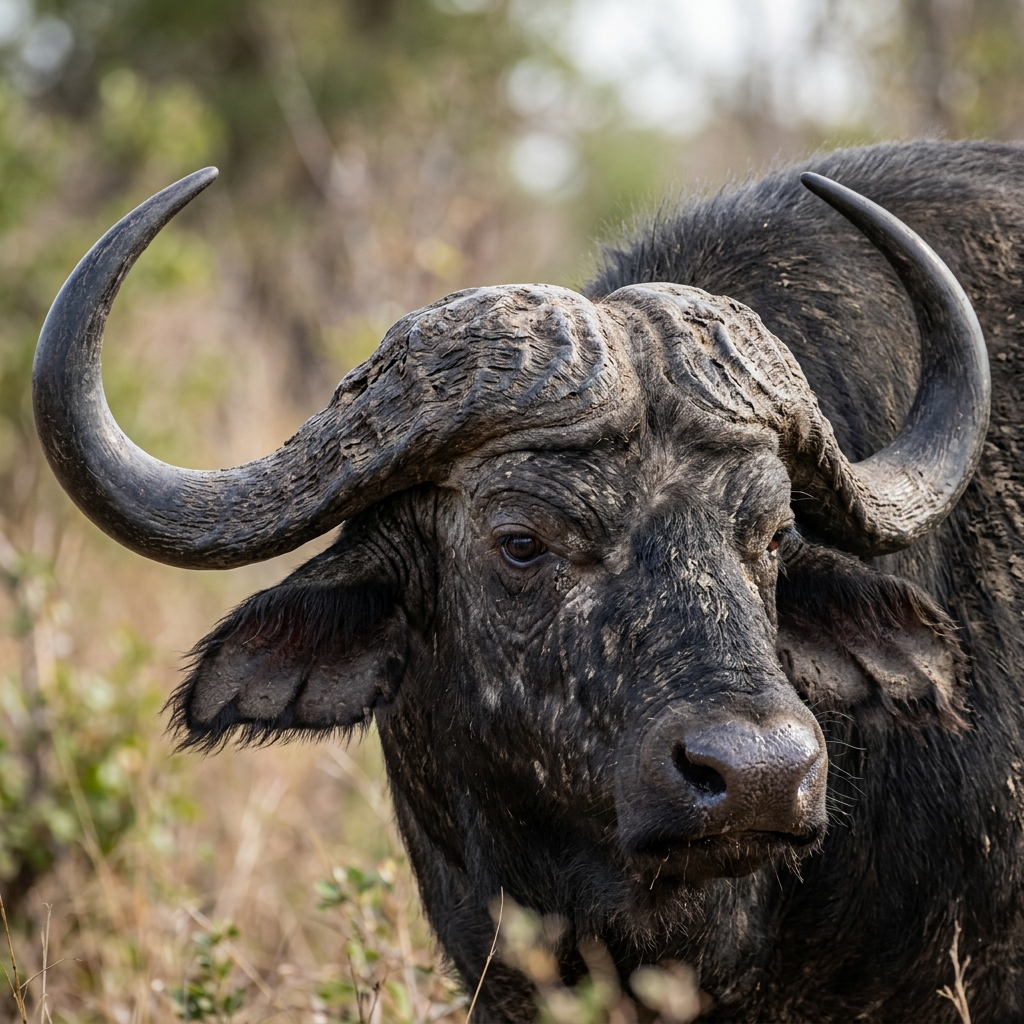
Often mud-caked, solitary or in small male groups. Famous for cunning and charge after wound.
Ecology
Grass and water
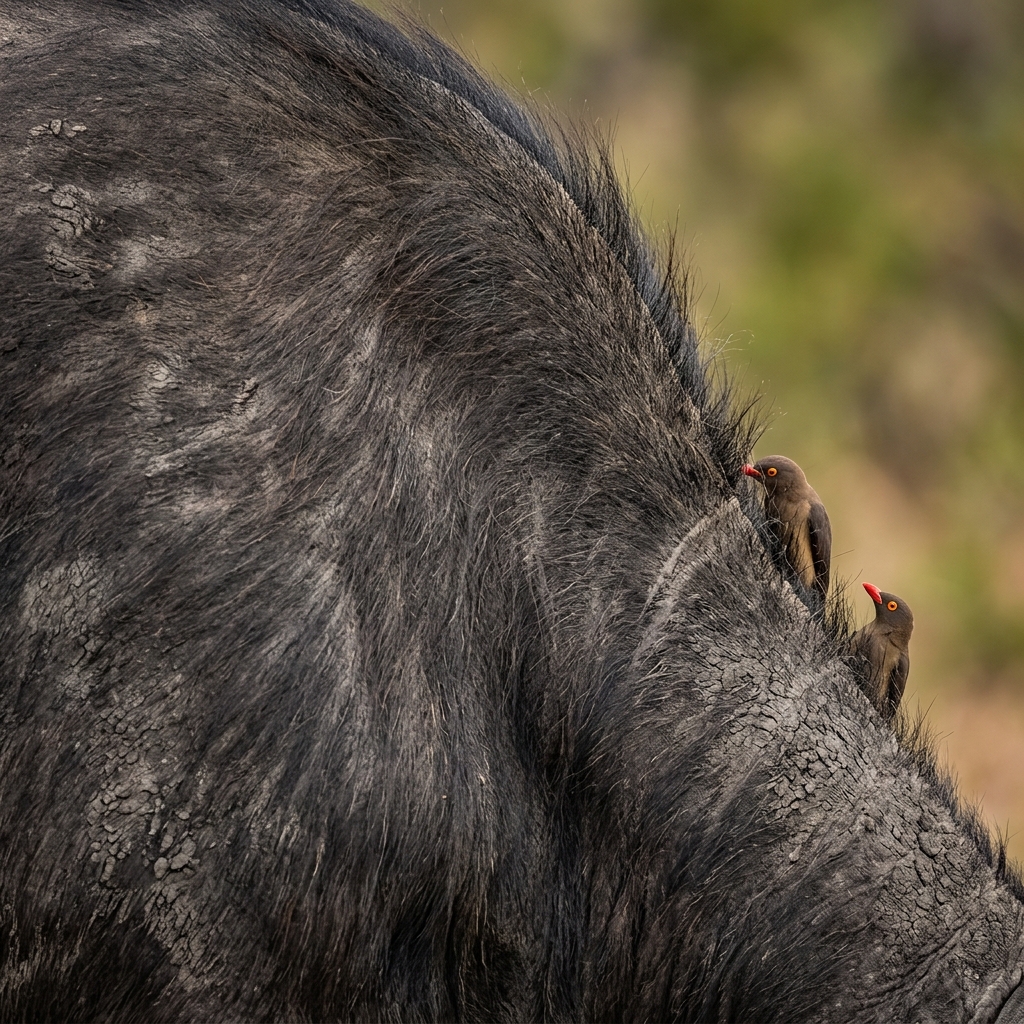
Bulk grazers that need water regularly. Wallows shape wallows and bird habitat.
Boss, hook, and the barrel chest
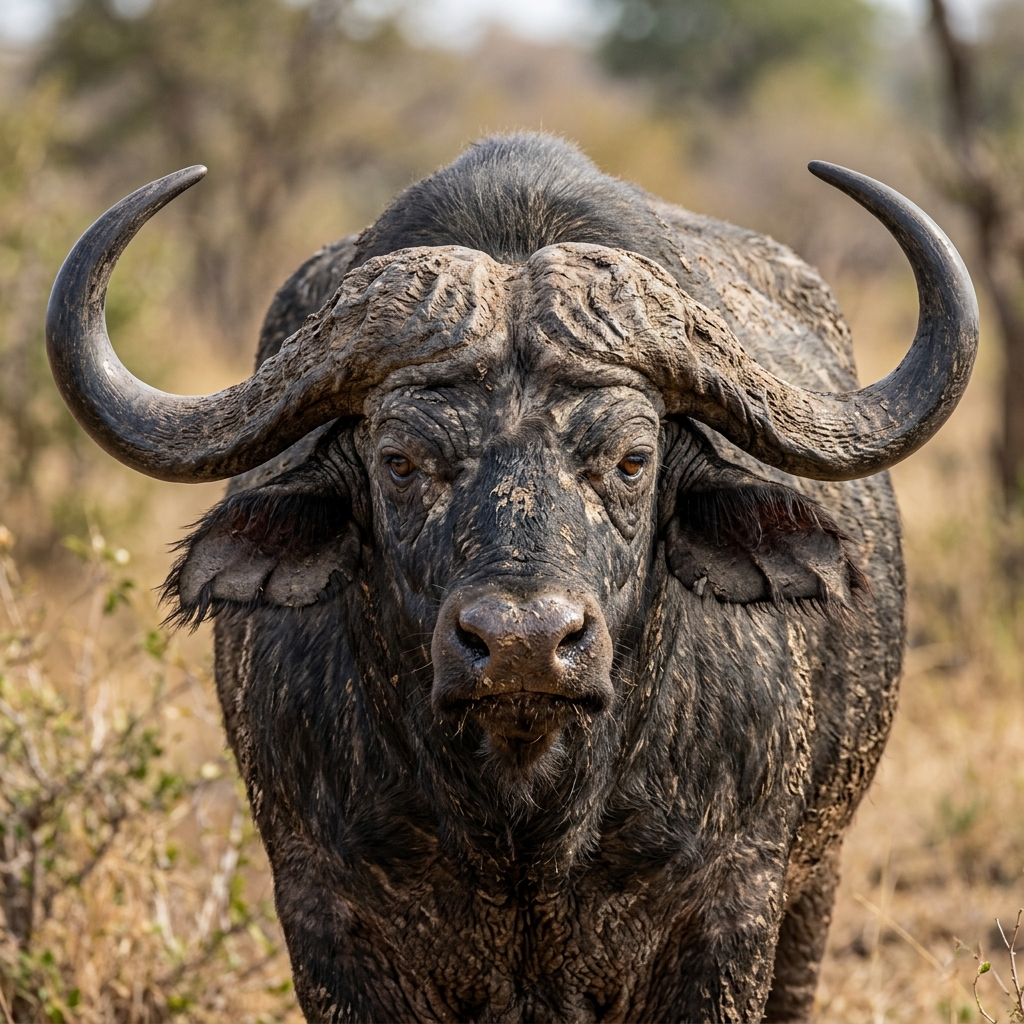
The mature bull
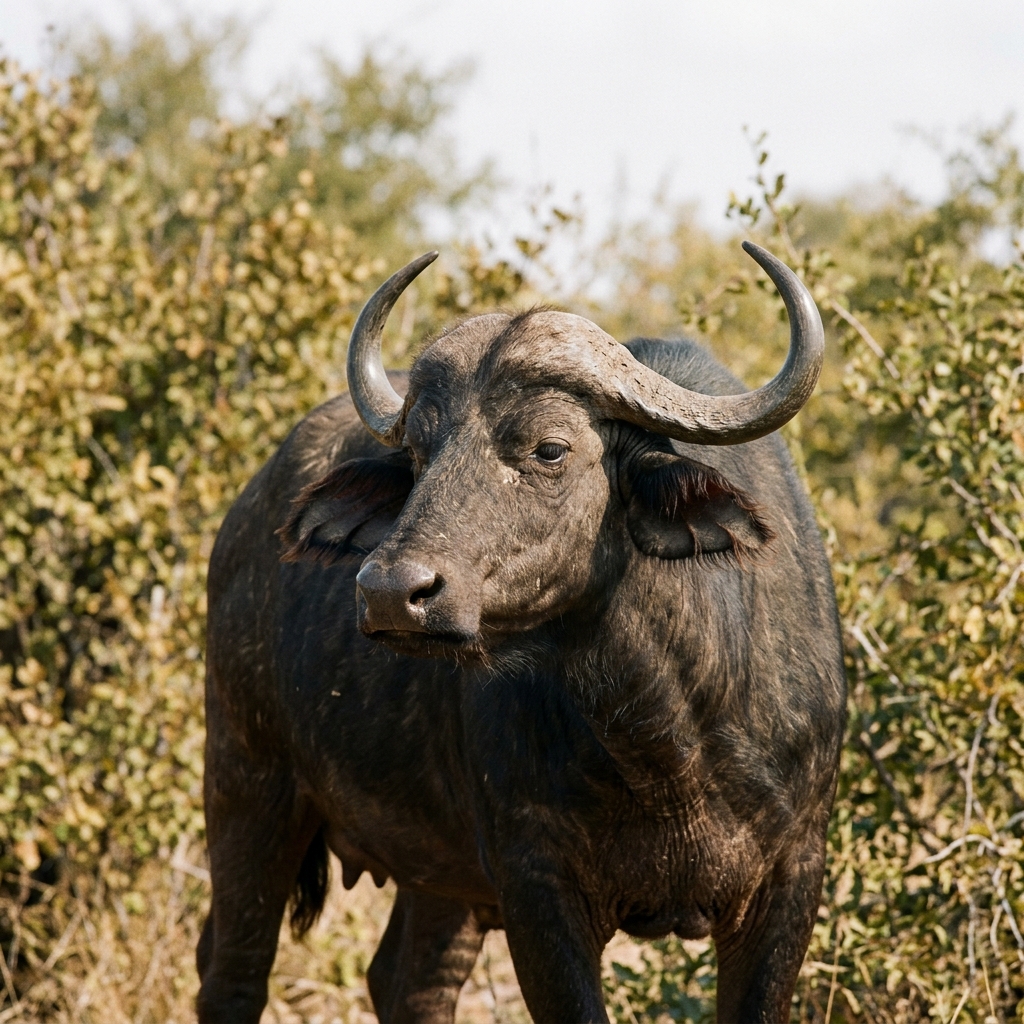
Mature bulls carry massive bosses that can close across the forehead with age. Horns widen, hook, and carry battle scars. Body mass runs in the heavy hundreds of kilograms with chests like wine barrels. Eyes are small but ears and nose map your mistakes.
- Age reads in boss fusion, horn wear, body sway, and attitude. Tape alone lies.
- Wounded buffalo rewrite distance. Treat every down animal as alive until the PH finishes the story.
Cows and calves
Cow herds are defensive machines built around calves, babysitting rotations, and shared ears that map lions long before a client finishes adjusting a bipod. Calves learn mud, wallow etiquette, and the difference between a grazing loop and a drink run that predators already bookmarked. Typical trophy safaris do not target cows, yet every buffalo encounter still demands respect: a cow herd in alarm is not scenery, and misread identity or backdrop in thick cover is how follow-up stories start. Where cull or problem-animal plans exist, quota language, veterinary context, and PH judgement still own the last word, not bravado.
- Assume calves tight to the screen until a PH clears the line; dust and reeds hide depth.
- Lions still win sometimes; human hunters must not add chaos to nursery geometry.
- When management calls for female harvest, paperwork and briefing trump enthusiasm every time.
“The first shot is yours. The responsibility chain belongs to the whole team.
Grass, wallow, and the herd mind
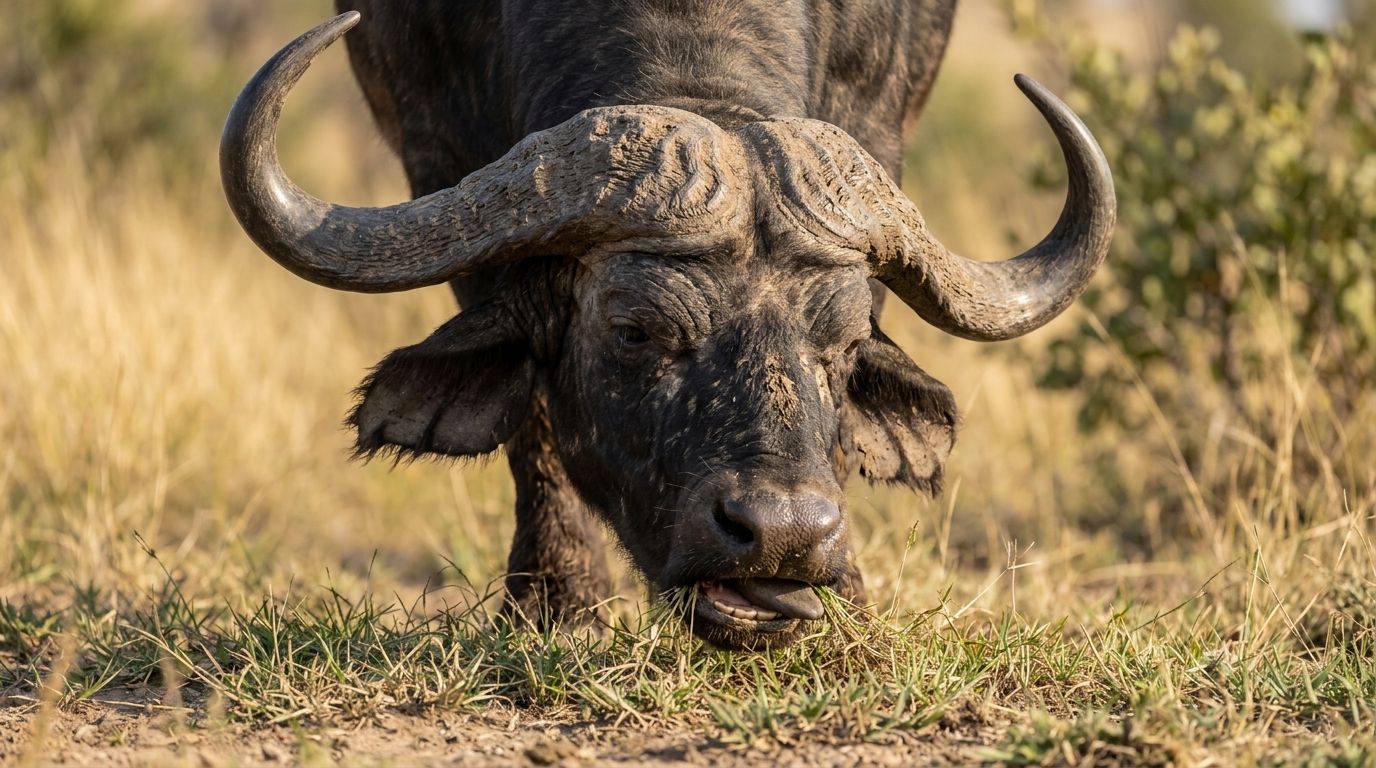
Buffalo graze grass swards and will shift with fire and rainfall like other bulk feeders. They drink regularly and use mud for thermoregulation and parasite control. That habit creates hunting predictability and lion predictability at the same time.
Herds move with seasonal nutrition. Bachelor males and dagga boys haunt reeds and river lines where cover forgives old age.
Disease conversations exist in management. This page is not a vet manual. Your outfitter handles testing and movement law.
Grazing pressure and carrying capacity
Buffalo numbers swing with grass height. If you see ribs on cows while bulls look fat, ask hard questions about sex-biased nutrition or social stress.
Field note
When buffalo feed into wind, your stalk either starts kilometres away or fails honestly.
Herds, bonds, and solitary old men
Breeding herds
Cows, calves, subadults. Lions test the edges. Hunters do not test the ethics.
Bachelor herds
Young males learning shove and hook. Good glassing for age class.
Dagga boys
Old bulls with opinions. Often the trophy narrative. Always the safety narrative.
Tracking
Dagga boys in thickets. Read dung freshness, hoof sink, and broken stems.
Ambush
Water and wallow only with professional oversight and backup plans.
Still-hunt
Slow edges at first light. Buffalo ears map careless clicks.
Buffalo rut is not impala theatre. It is heavy contact, status, and endurance. Give animals space during heightened aggression windows.
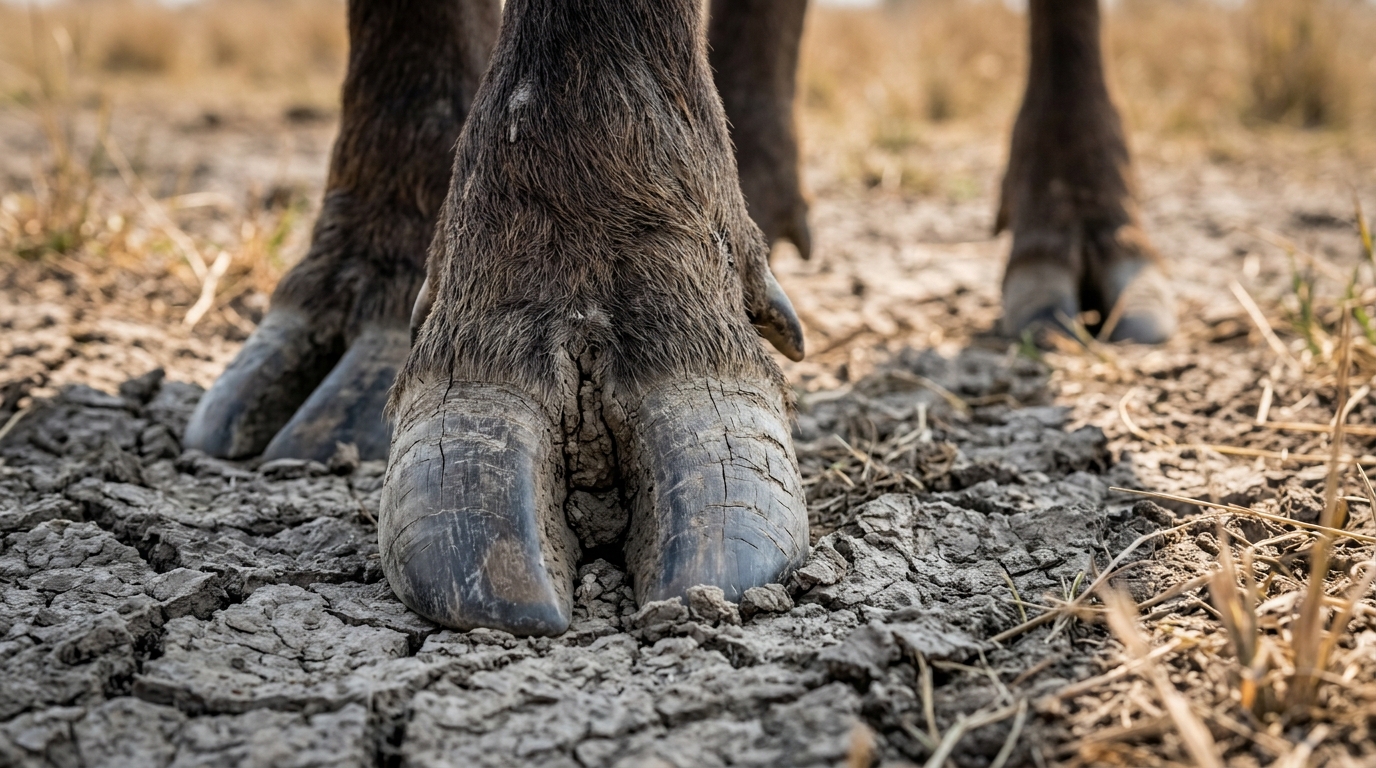
Dangerous-game hunting culture
Buffalo hunts are short-range ethics: wind, silence, shooting sticks, and a PH who has seen ego die before.
Dangerous game means legal calibre floors, follow-up plans, and zero tolerance for bravado on wounded animals. The first shot is yours; the responsibility chain belongs to the whole team.
Thicket and river lines forgive no careless noise. Your PH owns angle, backing shots, and when the dagga boy is simply the wrong lecture for the day.
On the Iron Mountain we match buffalo hunts to quota, law, and census. Trophy is age and boss on the right bull after discipline bought a true shot window.
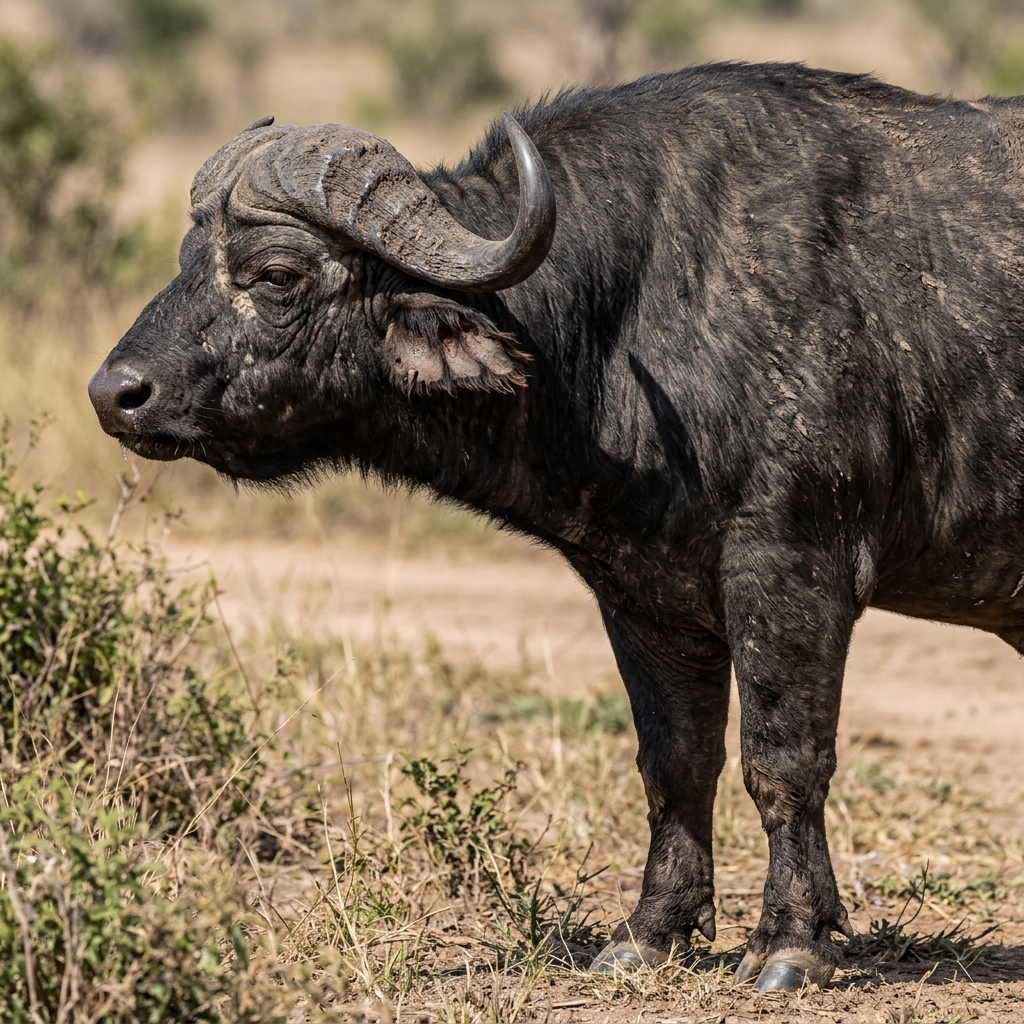
Bulls, age, and the boss story
Trophy buffalo are a book industry. Width, spread, drop, and age matter more than bragging rights. Rowland Ward numbers on your sheet are conversation starters, not replacements for PH judgement and quota.
Ethical emphasis belongs on old bulls that have done reproductive work. Ask your outfitter how age is verified.
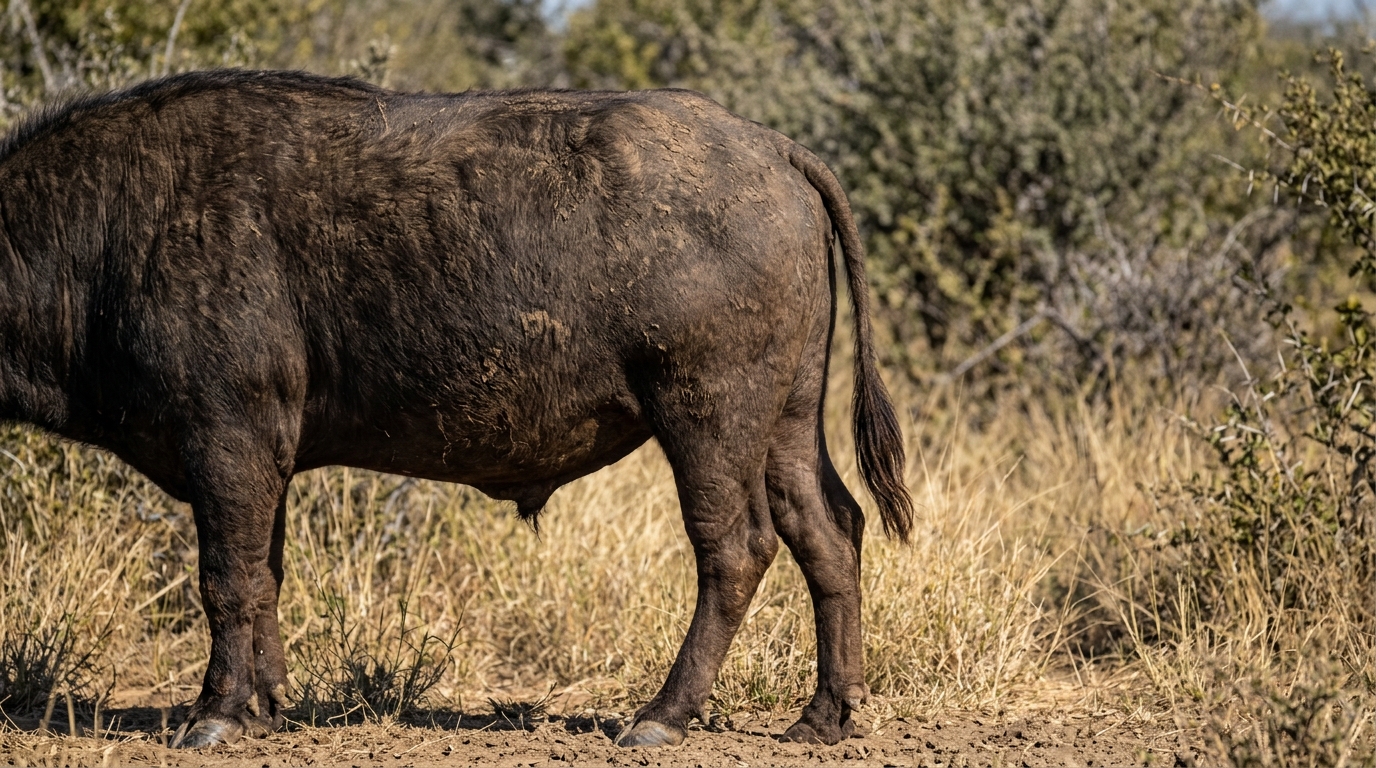
Rifles, bullets, and South African law
South Africa expects .375 minimum for dangerous game. Use premium softs for first shots and solids where PH directs follow-up. Practice off sticks with the load you will actually carry.
| Class | Examples | Notes |
|---|---|---|
| Legal floor | .375 H&H, equivalents | Non-negotiable for dangerous game where listed. |
| Standard DG | .375 with 300 gr | Bonded soft or monolithic per PH preference. |
| Heavy | .416 Rigby, .458 Lott | Popular where clients want extra insurance. |
| Follow-up | Solids | PH often carries the final word on solids versus softs. |
- Shot: Heart-lung or shoulder-breaking lines per PH brief, not internet myth.
- Head: Not for general hunters. Bone and angle lie.
- After: Mark time, mark place, stay ready. Silence is safety.
- Bow: Separate legal and ethical rules. Ask the outfitter early.
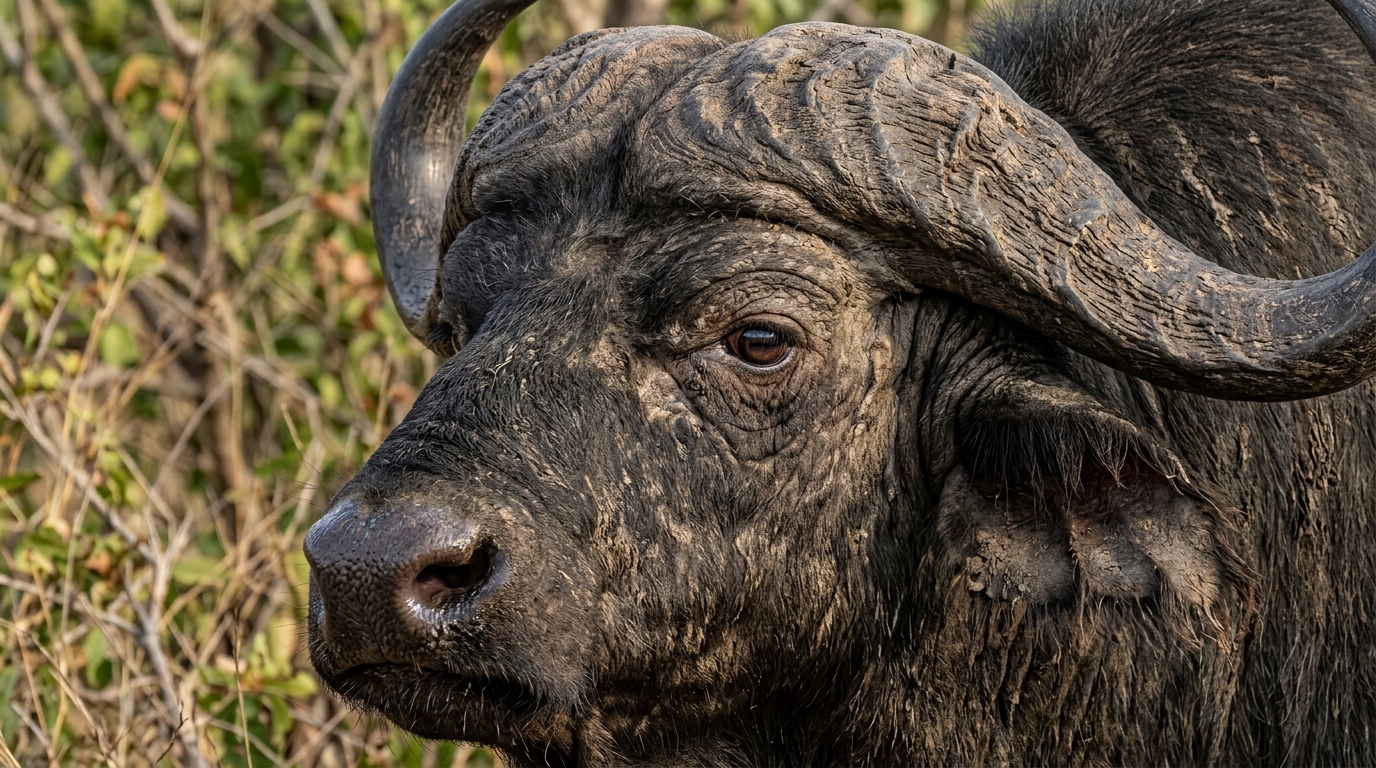
Quick reference
| Scientific name | Syncerus caffer |
|---|---|
| Caliber (estate brief) | .375 H&H Minimum |
| Rowland Ward | Min. 40" |
| Terrain tag | Dense woodland thicket |
| Dangerous game | Yes under South African definitions |
| Typical approach | Short range with PH backup |
| Herd type | Matrilineal herds plus bachelor and solitary bulls |
| On Iron Mountain | Dense woodland thicket · quota and age rules follow the annual census |
Ready for the black?
Bring humility, bring a legal rifle, bring listening skills. Buffalo finish arguments you start.