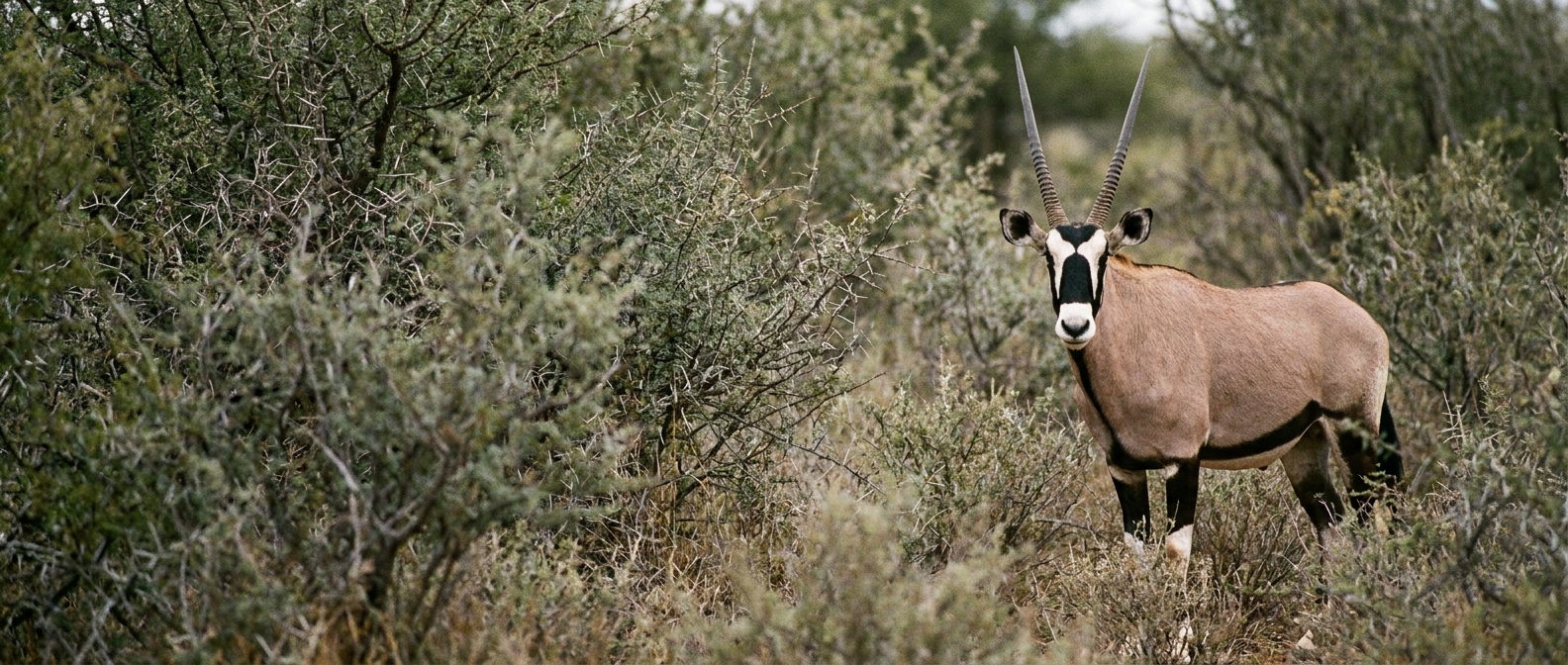
The Kalahari lance in living hide
Gemsbok · Oryx gazella
Gemsbok are oryx built for heat, distance, and argument. Both sexes carry horns that can kill a careless hunter. They are the animal that makes you respect open ground again.
South Africa’s gemsbok story is tied to red sand, thorn-scrub introductions, and serious plains-game culture. They are not shy background animals. They are large antelope with desert plumbing: nasal cooling, urine concentration, and a willingness to walk away from water longer than your patience.
This monograph covers taxonomy within Oryx, horn truth in both sexes, grazing and browsing in hard country, herd behaviour, predators that still try, hunting craft on open scrub, rifles that match mass, trophy judgement where cows sometimes beat bulls, and meat that loves the curing hook.
Taxonomy and the oryx clan
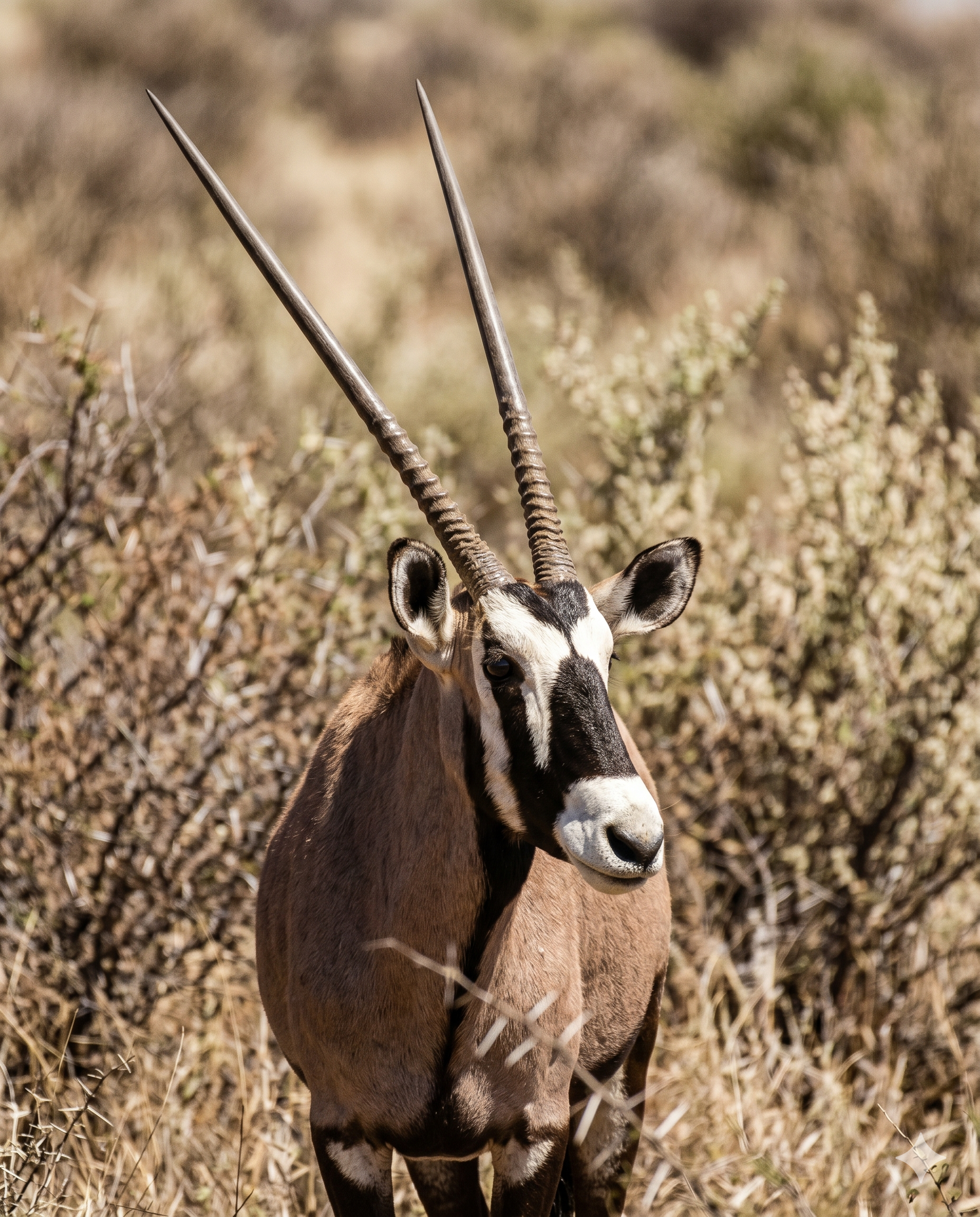
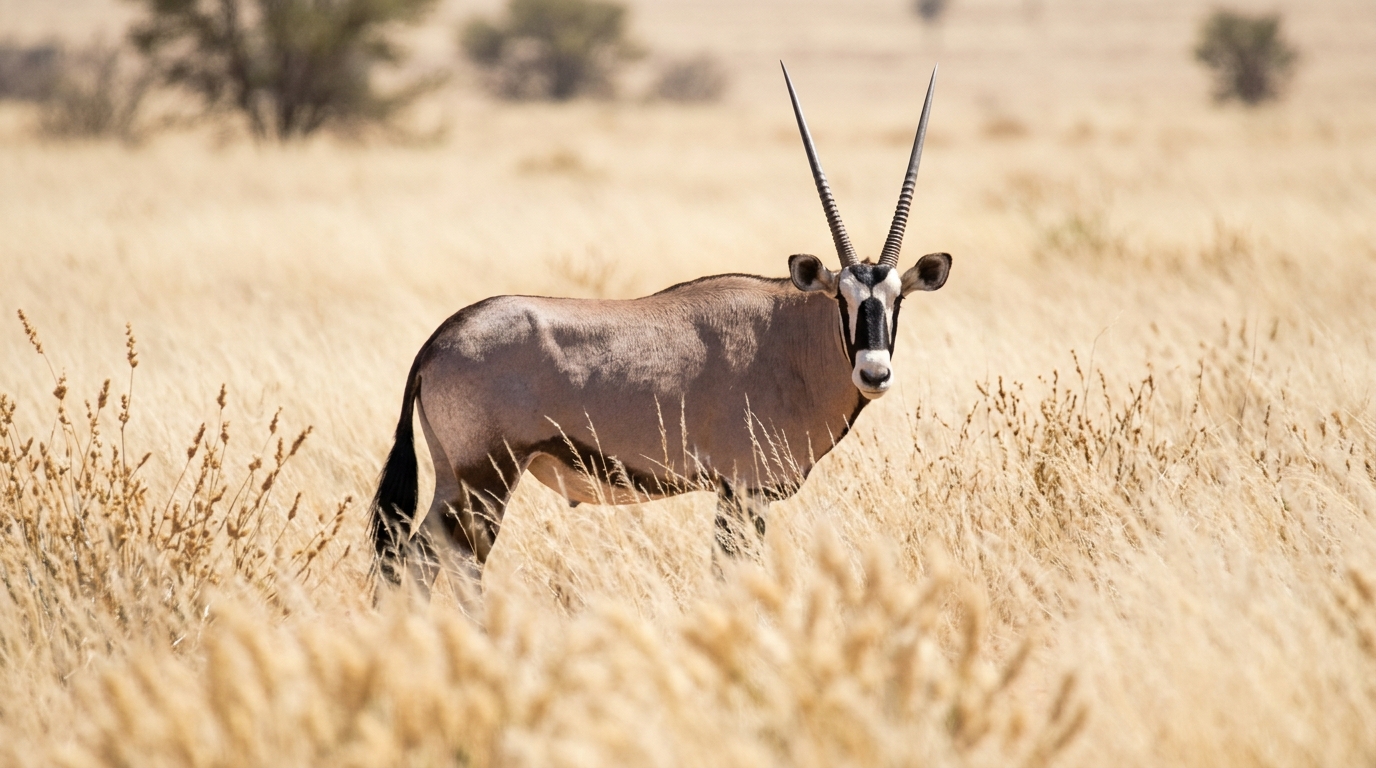
Gemsbok are Oryx gazella, the flagship of southern arid adaptation. They share the genus with beisa and scimitar cousins in broader Africa. On a hunt you are not scoring a deer. You are scoring a heat-exchange specialist with spear horns.
Oryx gazella
Gemsbok
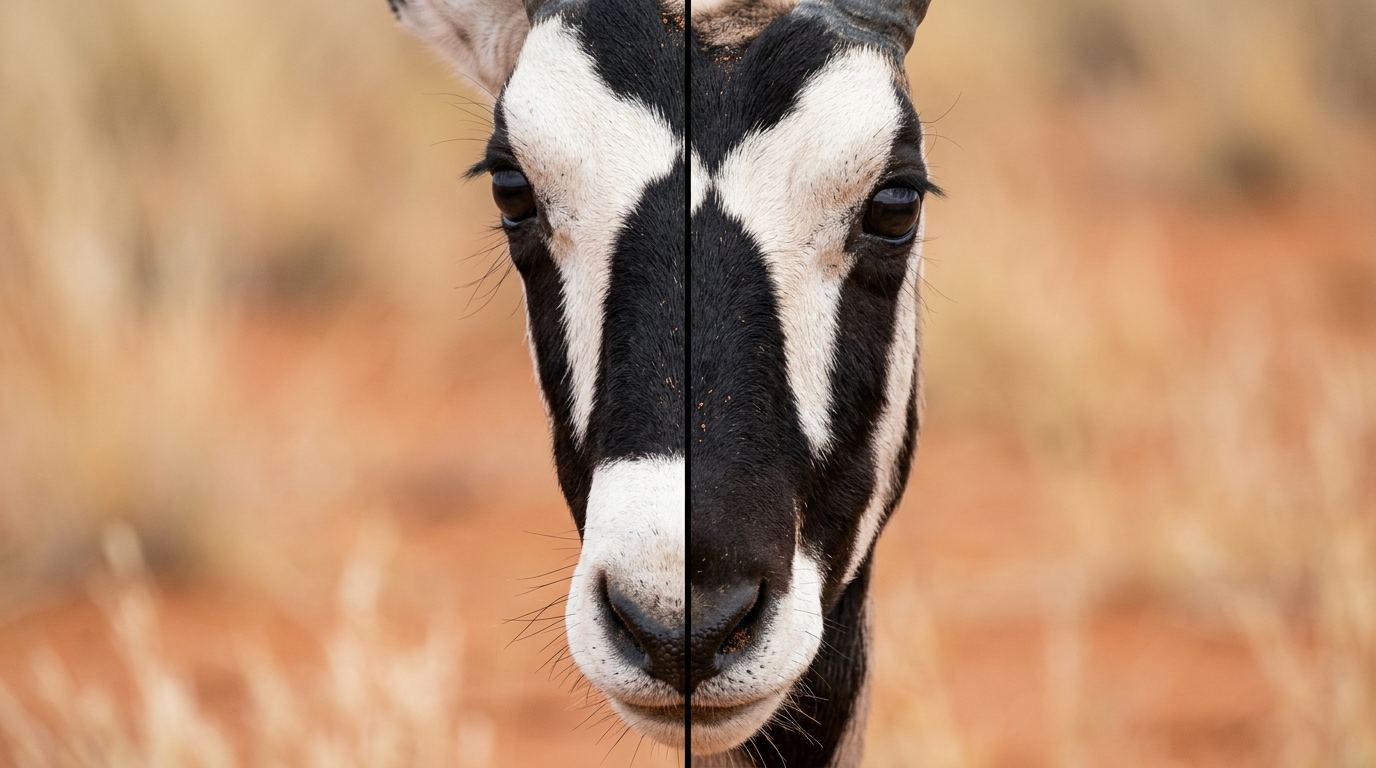
Large, striking face mask, black garters, rapier horns. Introduced widely beyond core Kalahari range for hunting and tourism.
Horns both sexes
Judge carefully
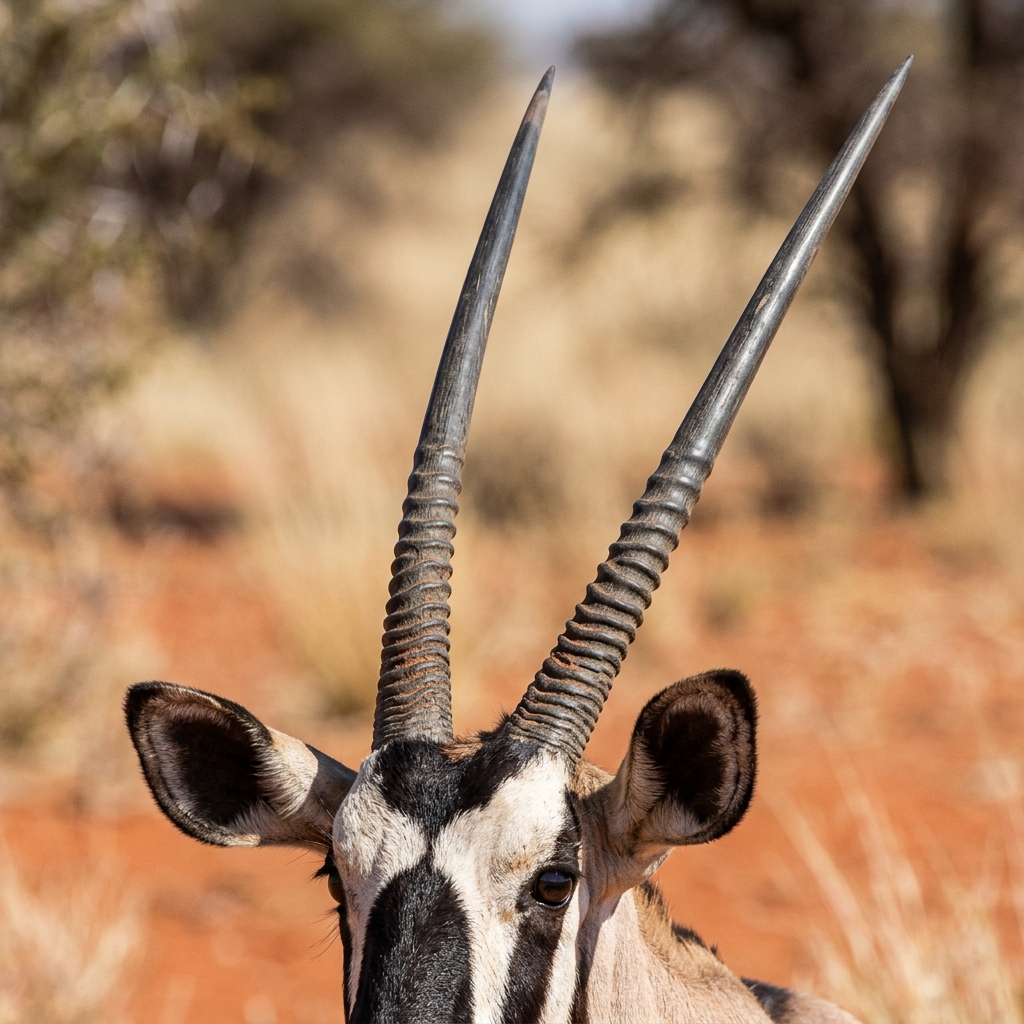
Cows often carry longer, thinner horns. Bulls show heavier bases. Mistakes at the trigger are annual industry news.
Water story
Not magic, chemistry
They drink when they can and mine moisture from plants when they must. That does not mean they never need water on your farm.
Neck, horn, and the unicorn illusion
The bull
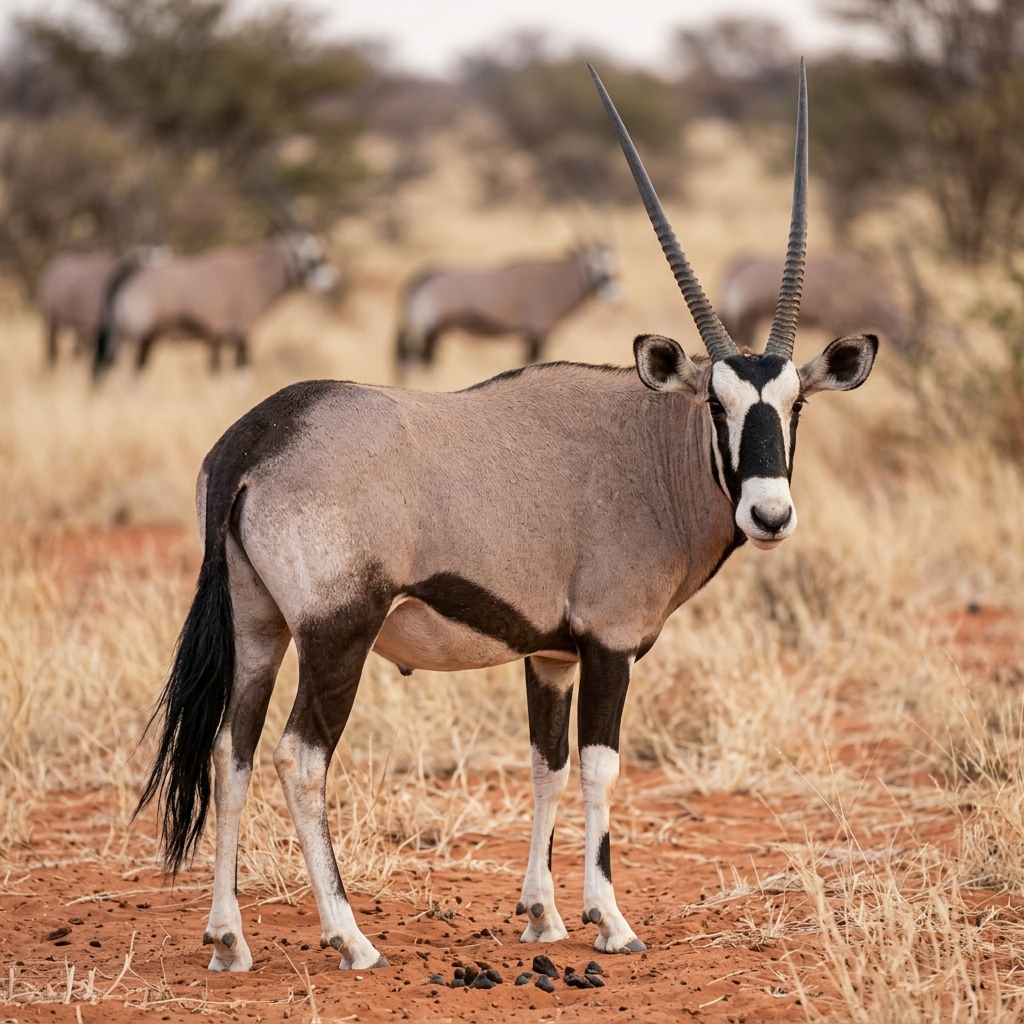
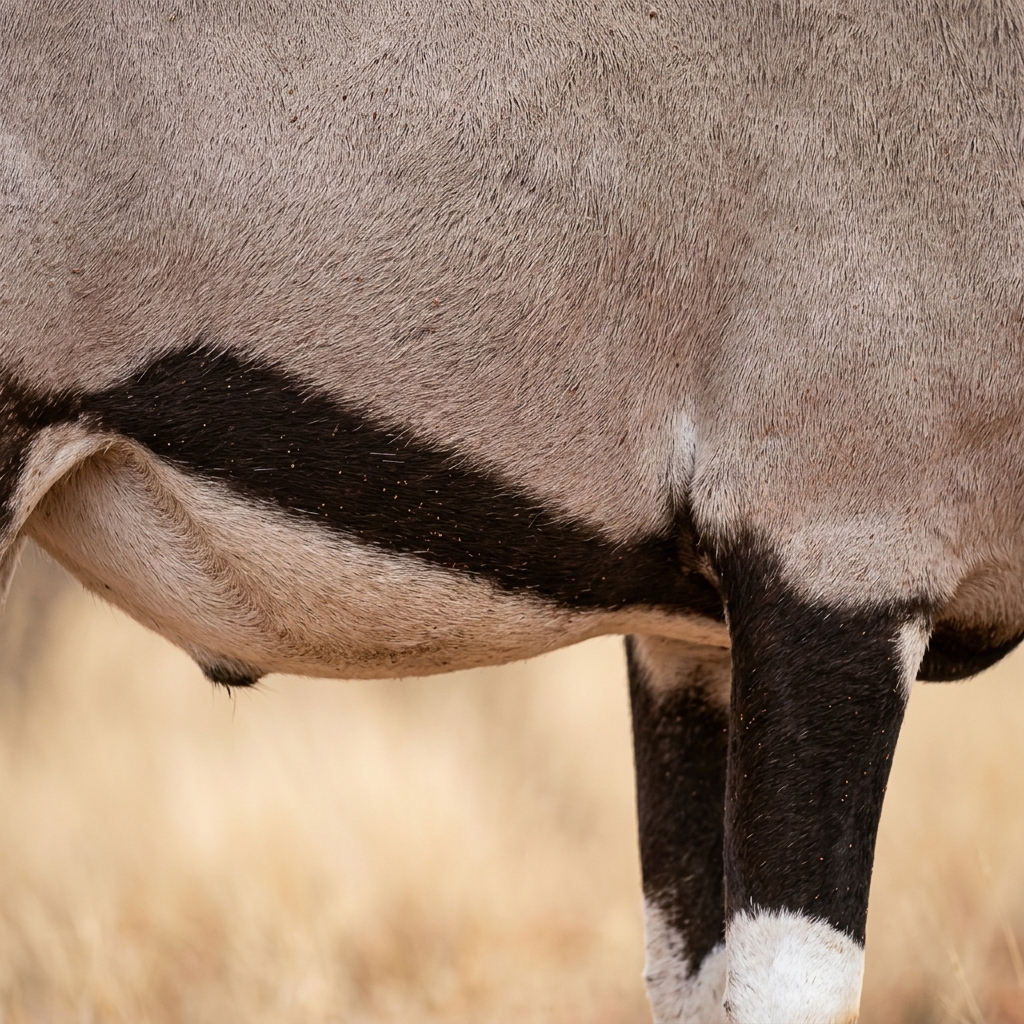
Mature bulls commonly run from roughly 180 up toward 240 kg in heavy Kalahari animals, with shoulder height near 1.1 to 1.2 m. The neck is horse-thick for a reason: it supports horn torque in fights and carries vascular radiators under the skin. Horns grow straight to backward with heavy basal rings.
- Wounded gemsbok circle back and hook. Treat every follow-up like a dangerous-game drill without the romantic label.
- Judging length at distance is a skill. Compare animals in the same herd when possible.
The cow
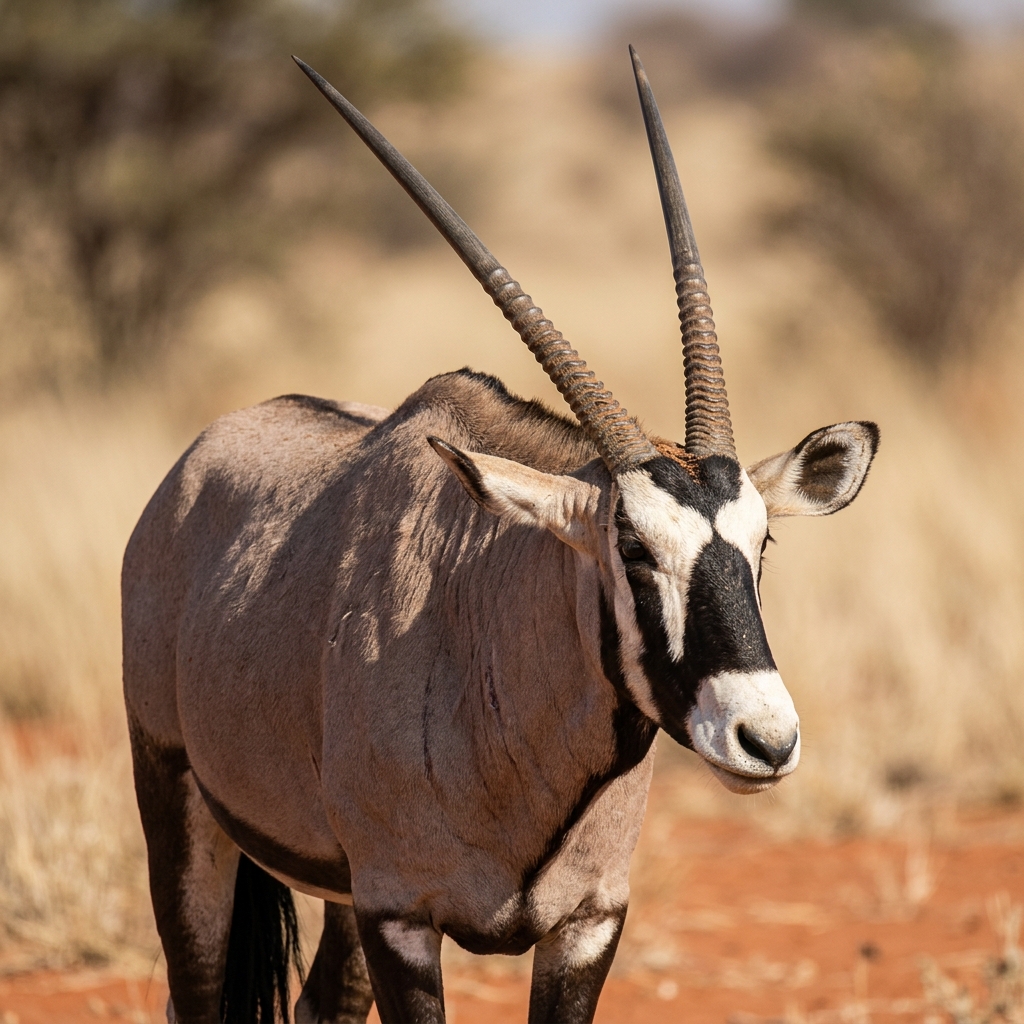
Cows are lighter but not small: their horns can outlength bulls in trophy talk, with longer, cleaner shafts that judges love until someone confuses sex at the worst moment. They defend calves with commitment, run nursery herds across red sand and scrub introductions alike, and carry the same desert kidneys and heat math that make gemsbok durable where fancier species fade. Do not assume cow means safe in a capture crush, at a water trough, or on follow-up when a wounded animal circles back with argument in the horn line.
- Side-on, one horn can still hide behind the other; compare animals in the same herd when possible.
- Calves and babysitting adults change spacing fast; glass for a second line before you commit.
- Trophy plans often target bulls, yet sex ID and estate rules still own every squeeze.
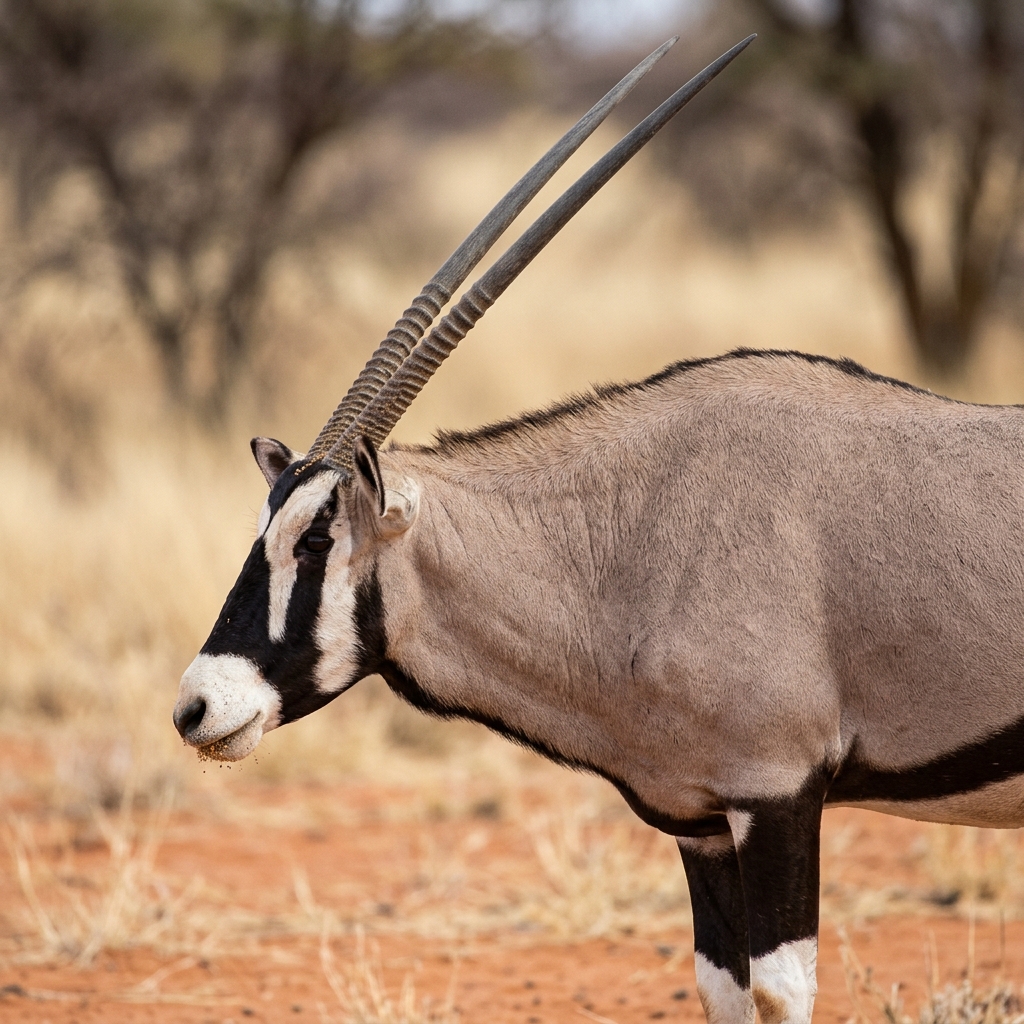
“Side-on, one horn can hide behind the other. That is how gemsbok earn the unicorn nickname and how hunters earn embarrassment.
Arid scrub, grass, and the water lie
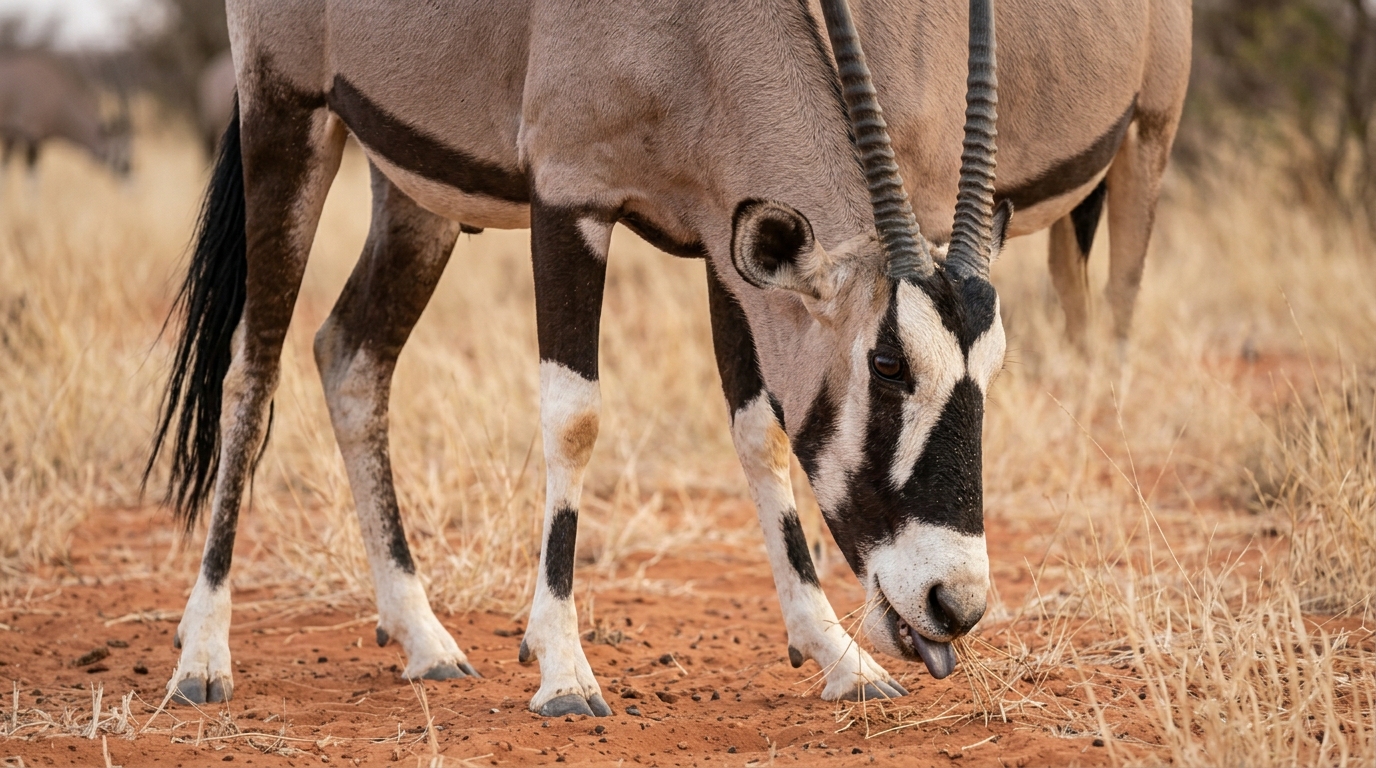
Gemsbok use grass when it exists and dig for roots, tubers, and succulents when it does not. Melons in the Kalahari are famous for a reason. On Highveld or Eastern Cape introductions they behave more like large mixed feeders but still carry desert kidneys.
Heat shapes day: feed in cooler windows, rest in shade when shade exists. On bare pans they stand like statues until the last safe minute.
Water patterns still concentrate animals in drought. Your blind ethics matter. Pressure without rest days burns sites out.
Grazing pressure and farm carrying capacity
Gemsbok can look pristine while the range underneath is not. Track grass height, basal cover, and lambing or calf ratios. If cows are cycling poorly, you are seeing nutrition truth before the accountant does.
Field note
If gemsbok walk into wind while feeding, your stalk plan starts downwind even when the map says you already are.
Lions, spotted hyena, and long odds
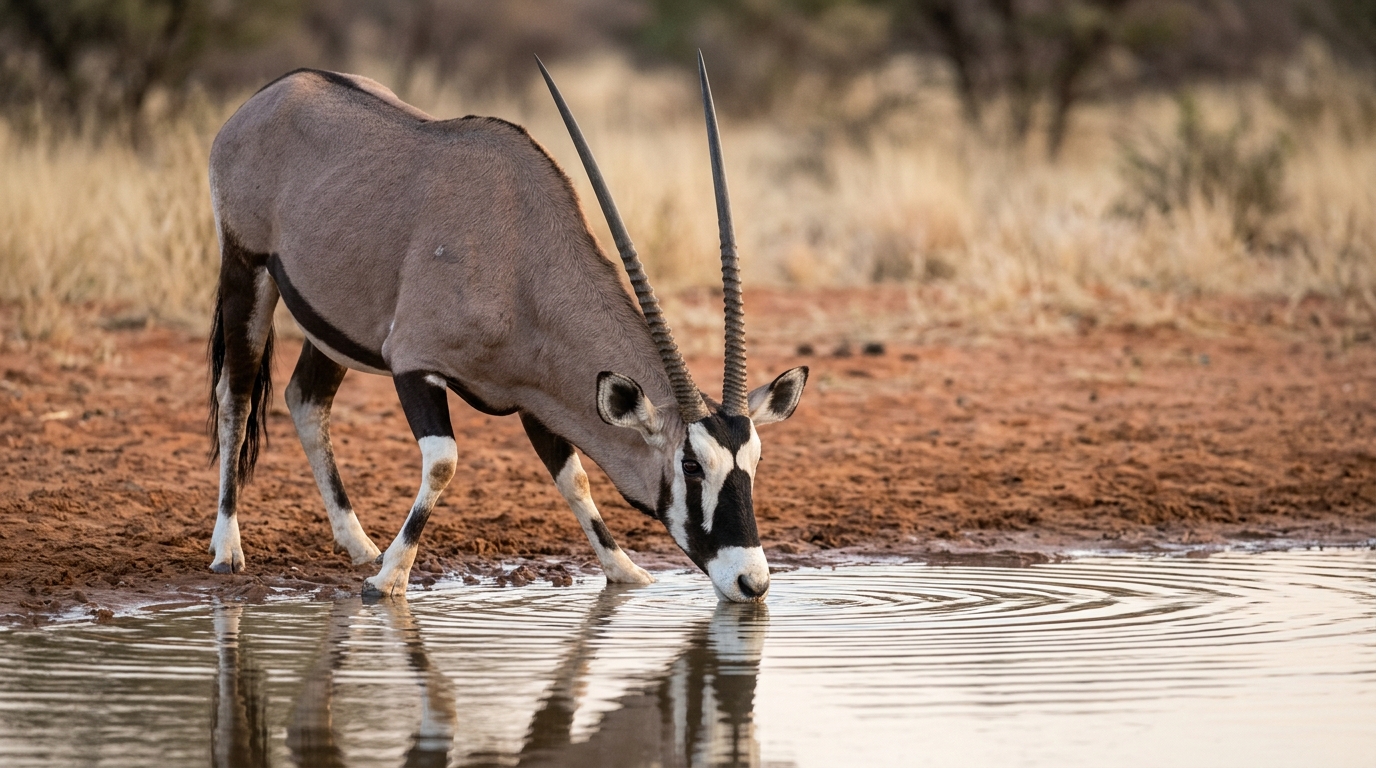
Adult gemsbok are risky prey. Horns injure. Still, lions and hyena pull calves and occasionally adults when ambush works. Human hunters should not pretend we are the only selective pressure on horn genetics.
Herd logic and horn politics
Nursery groups
Cows and young bunch when predators press. Lions still gamble on the young.
Bachelor males
Sparring rehearsals. Good training for horn evaluation at safe distance.
Dominance
Fights are horn fencing, not cuddling. Sound carries on still mornings.
Spot and stalk
Use every bush that is not a joke. Plan stalks in arcs, not straight lines toward the herd.
Ambush
Water and feed in dry months. Patience beats sprinting a pan.
Tracking
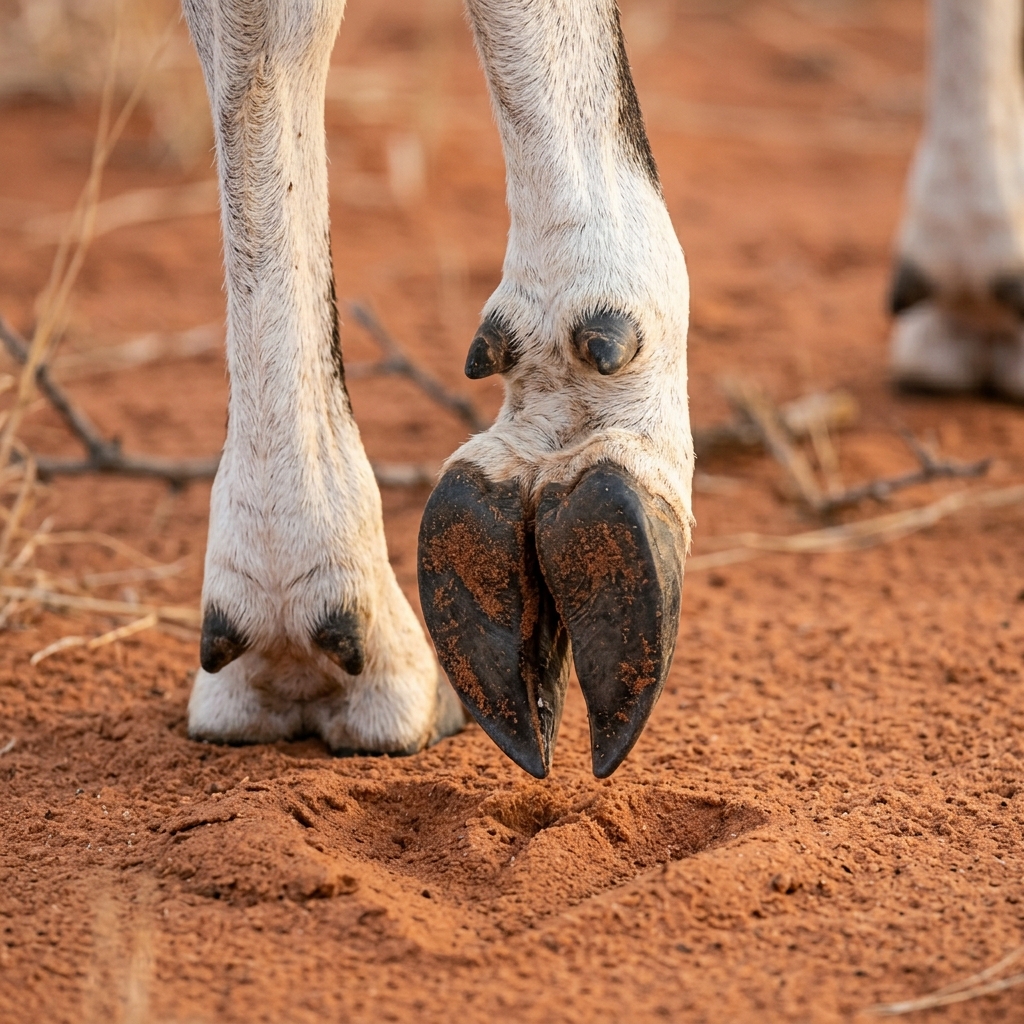
Straight deep marks in sand after dew. Heavy bulls plough.
Breeding can run year-round on good ranches with mild seasons. Rut signs include chasing, horn clashes, and subtle harem clustering. Do not insert yourself into that choreography.
Hunting the open scrub lance
Gemsbok hunts are wind, distance, and bullet honesty. You will walk more than you think. The reward is a trophy that looks like it was forged, not grown.
Open scrub and red dust punish hollow magnum talk. Mirage and heat waves lie about horns and shoulders. Tripods, rangefinder discipline, and premium construction earn the day.
Your professional hunter still picks one bull, one angle, and one moment. Herd strings and fence lines belong in the briefing before the shot breaks the calm.
On the Iron Mountain we match gemsbok hunts to census and range condition. Trophy is lance length and mass on the right animal after wind and distance told the truth.
Trophy sense on the hoof
SCI and Rowland Ward numbers are maps, not morals. Look at base mass, length, and tip integrity. Ivory wear can mean age. Polished young length can mean a mistake waiting to happen.
Decide before the hunt whether cow or bull fits the quota story. Then let glass finish the argument.
Rifles, penetration, and calm shooting
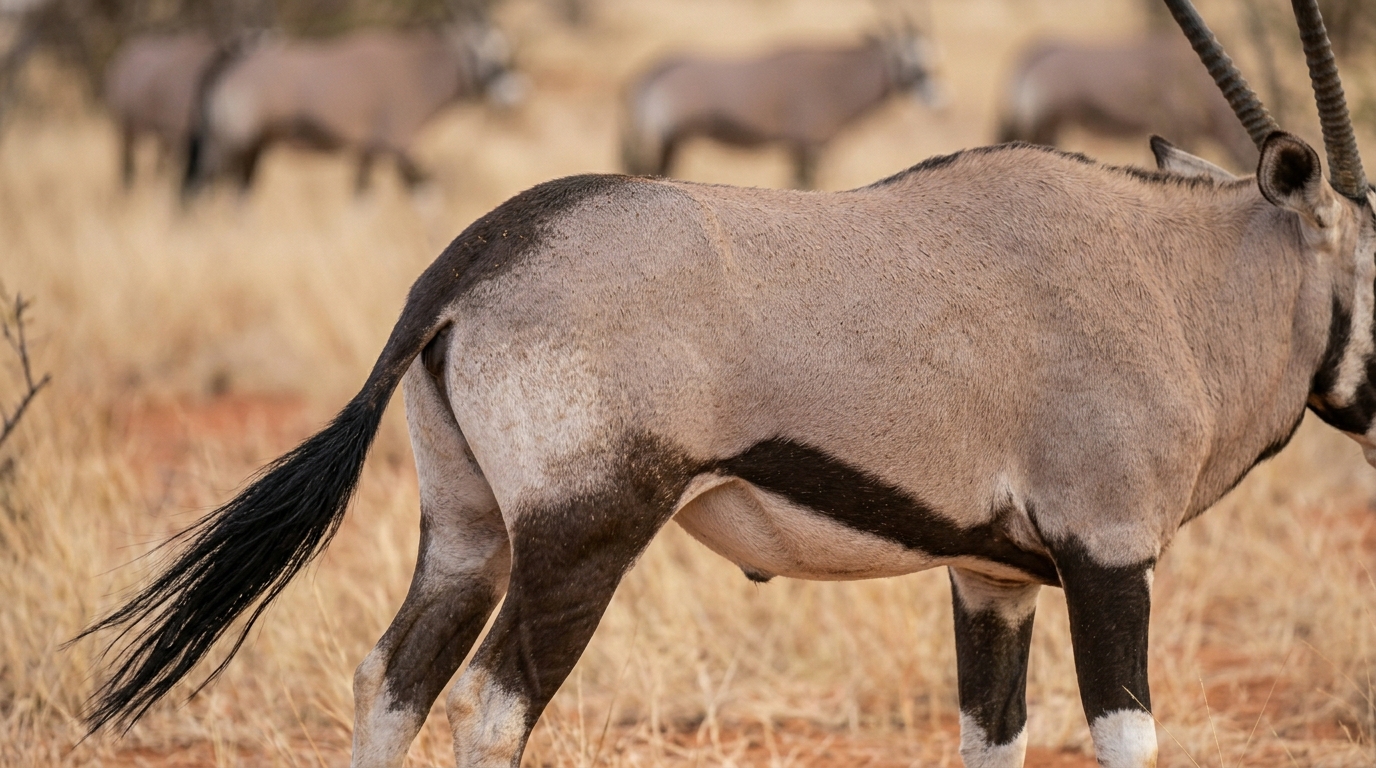
Gemsbok deserve premium construction. Bonded, partitioned, or monolithic choices should match impact velocity. The .30-06 class is a sane floor for most adults. Magnums earn their keep on big bodies and windy pans.
| Class | Examples | Notes |
|---|---|---|
| Minimum | .270 Win | Perfect shot, premium bullet, younger or smaller animals. |
| Standard | .30-06, .308 Win | 180 gr class bonded for shoulder shots. |
| Magnum | .300 Win Mag, 7mm Rem Mag | Open ground, wind, and heavy cows. |
| Heavy | .375 H&H, 9.3x62 | Matches estate dangerous-game adjacent policy and client nerves. |
- Range: Laser rangefinder culture exists for a reason. Mirage lies.
- Broadside: Heart-lung with room for shoulder if angle drifts.
- Follow-up: Approach a downed gemsbok from behind horn line. PH leads.
- Optics: High magnification helps until it shakes. Practice sticks.
Quick reference
| Scientific name | Oryx gazella |
|---|---|
| Caliber (estate brief) | .30-06 / .300 Win Mag |
| Rowland Ward | Min. 40" |
| Terrain tag | Open Scrub |
| Horns | Both sexes; cows often longer, bulls often heavier at base |
| Mass | Commonly 100 to 240 kg depending on sex and range condition |
| Range in SA | Native arid belt plus widespread introductions |
| On Iron Mountain | Open Scrub · quota and age rules follow the annual census |
Ready for the lance?
Bring real bullets and real range practice. Gemsbok forgive fantasy archers and fantasy calibres equally poorly.