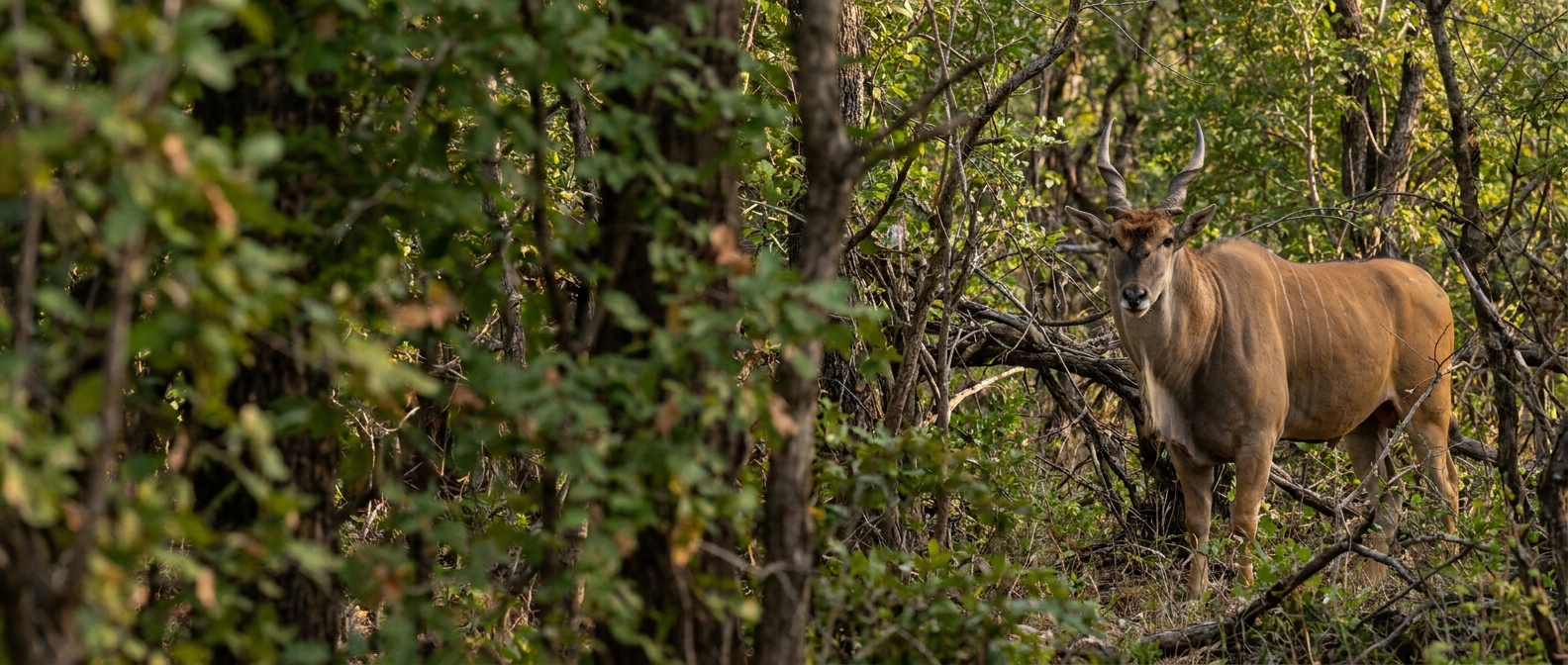
Spiral crowns on the giant’s shoulders
Livingstone Eland · Taurotragus oryx livingstonei
Livingstone eland are Taurotragus oryx livingstonei, the southern form of the largest antelope most hunters will ever shoulder. On the Iron Mountain they are a walking argument for calm rifles, patient glass, and the humility heavy animals teach.
Eland are not kudu with a size slider. They are mixed feeders that shift from graze to browse as fibre and moisture change, carrying mass that changes stalking math, bullet choice, and recovery logistics. Livingstone animals carry the taxonomic tag hunters expect when marketing southern genetics and estate origin.
This monograph covers taxonomy at a practical level, horn spiral and body form, feeding ecology from lawn to canopy, herd behaviour, predation mainly from lions, hunting craft for an animal that vanishes surprisingly well for its bulk, rifles in the true medium and heavy plains classes, trophy talk on horn length and mass, and meat that feeds a village when handled legally.
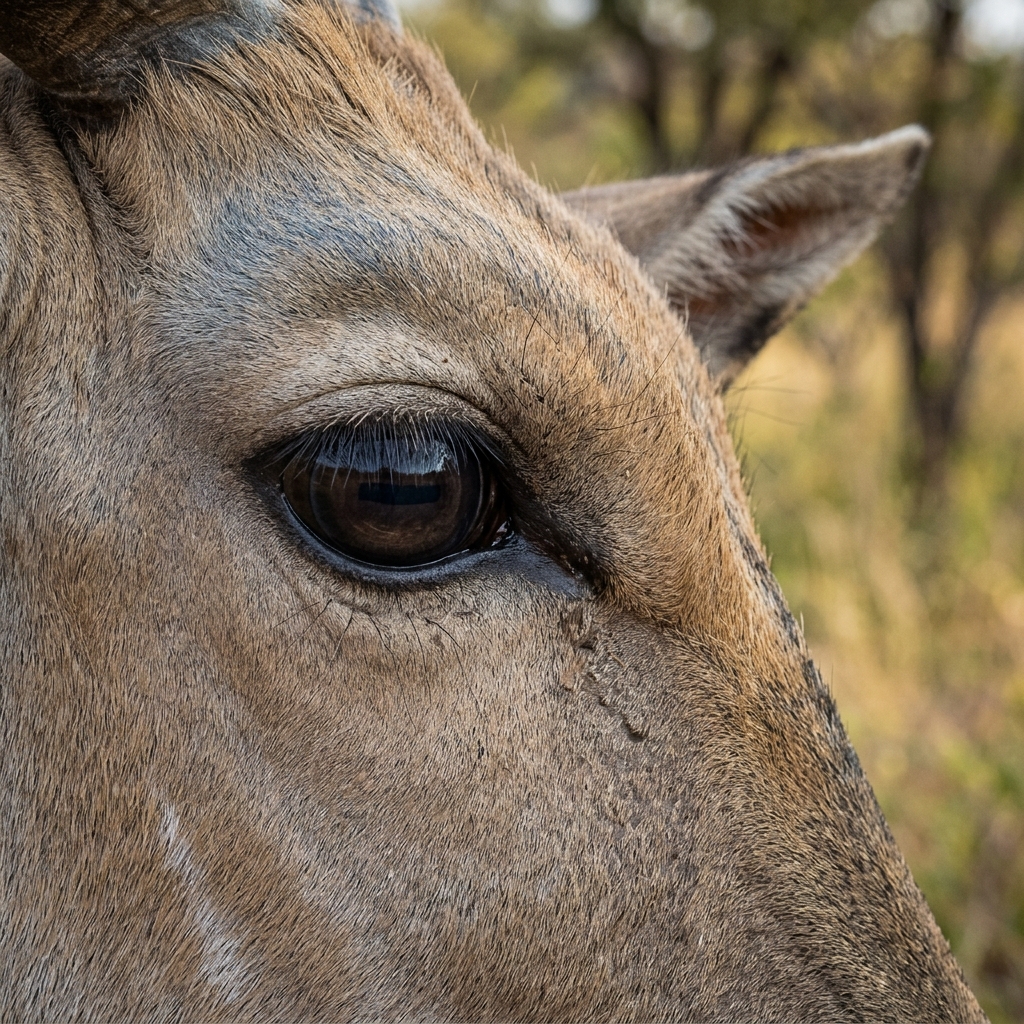
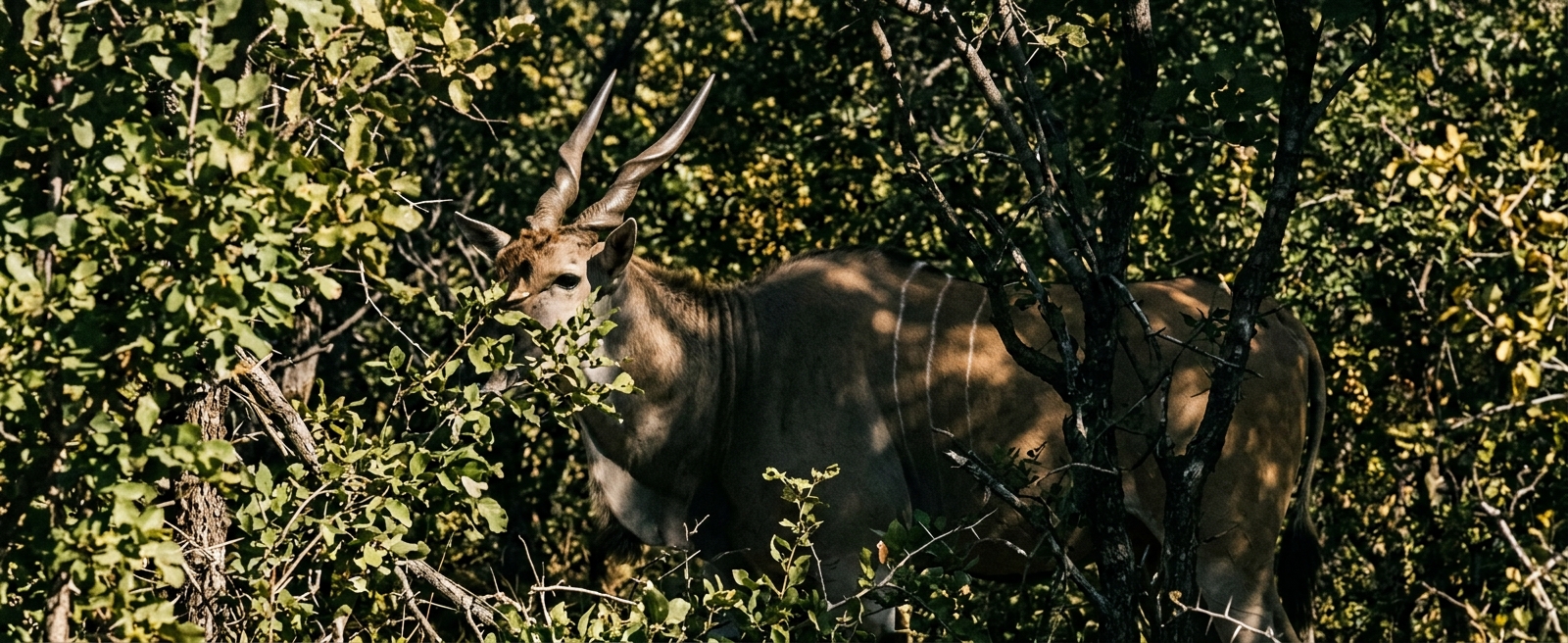
Taxonomy and the giant kudu cousin
Eland sit in Taurotragus alongside the giant eland narrative. Subspecies names map geography. On fenced estates, genetics and paperwork should align with what you advertise to clients and breeders.
Livingstone eland
T. o. livingstonei
Southern savanna form with heavy body and tightly spiralled horns in mature bulls.
Nominate form (T. oryx)
Species reference
Root taxon for the eland complex; subspecies names map geography. Horn spiral, dewlap, and body mass define the silhouette.
Ecology
Mixed-feeding bulk
Switches graze and browse with season. Carries carrying-capacity weight on every property.
Spirals, dewlap, and the silent vanish
The bull
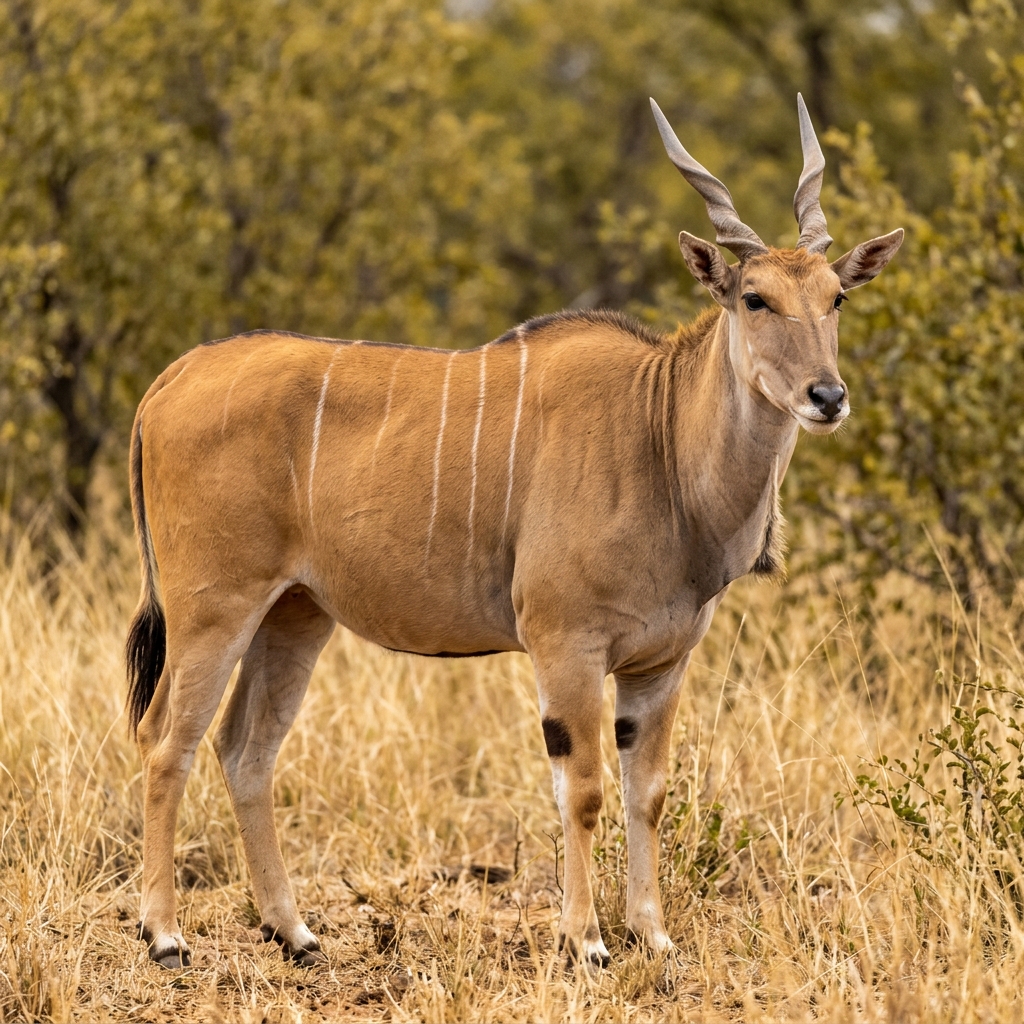
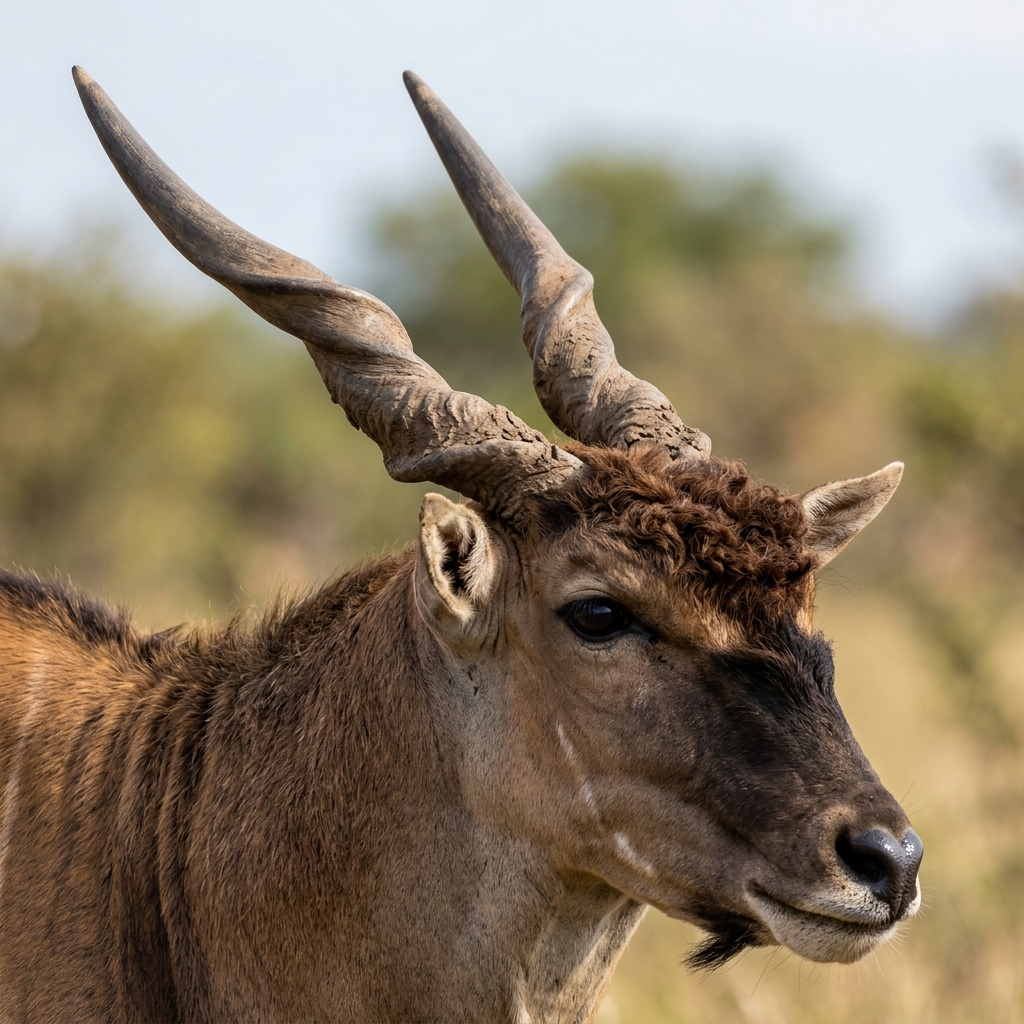
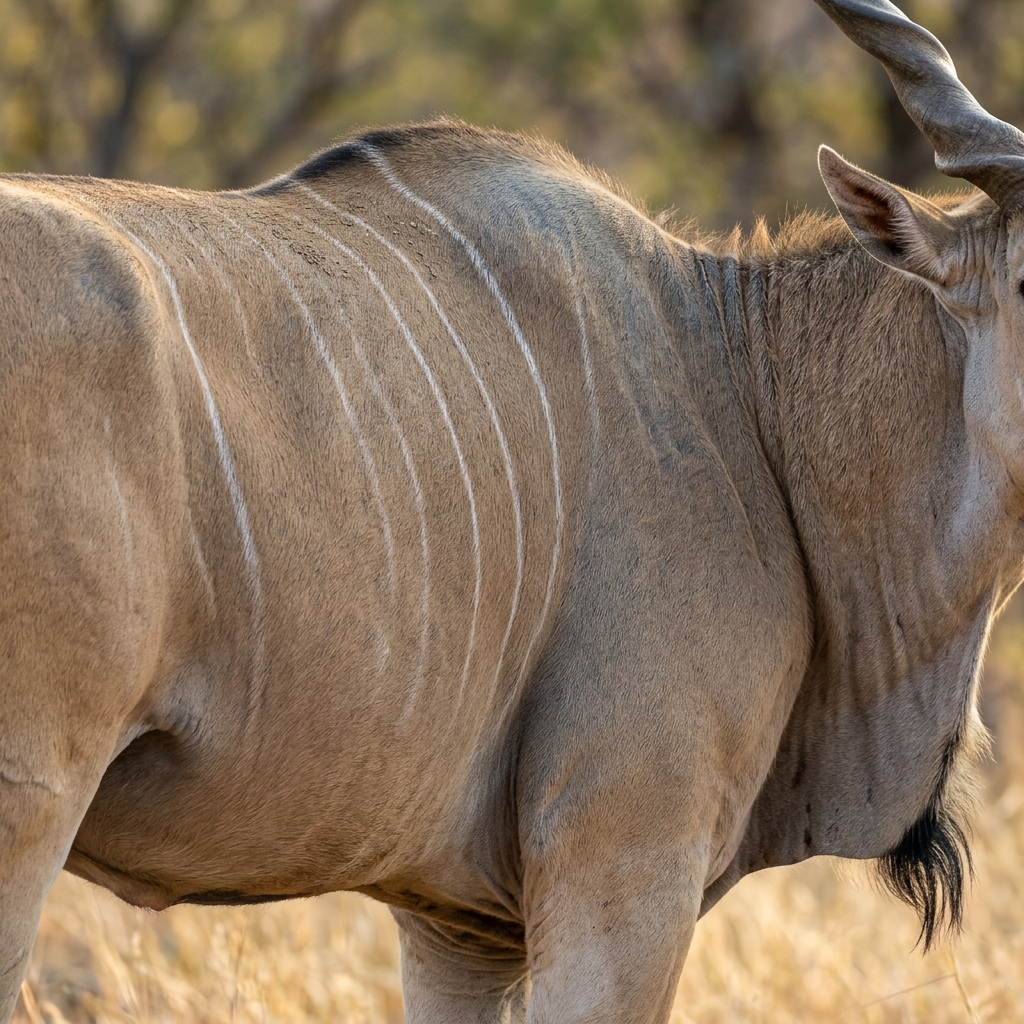
Mature bulls carry thick horns that spiral with age, often quoted past 60 cm for serious trophies with basal mass that judges love. Live mass can exceed half a tonne in exceptional farm condition with shoulder height commonly near 150 to 180 cm in well-fed animals. The dewlap is not decoration. It is thermoregulation and dominance hardware.
- Horn wear, body sway, and neck thickness beat bragging from a single glance through heat shimmer.
- Eland trot like freight. Do not confuse calm movement with permission to rush the shot.
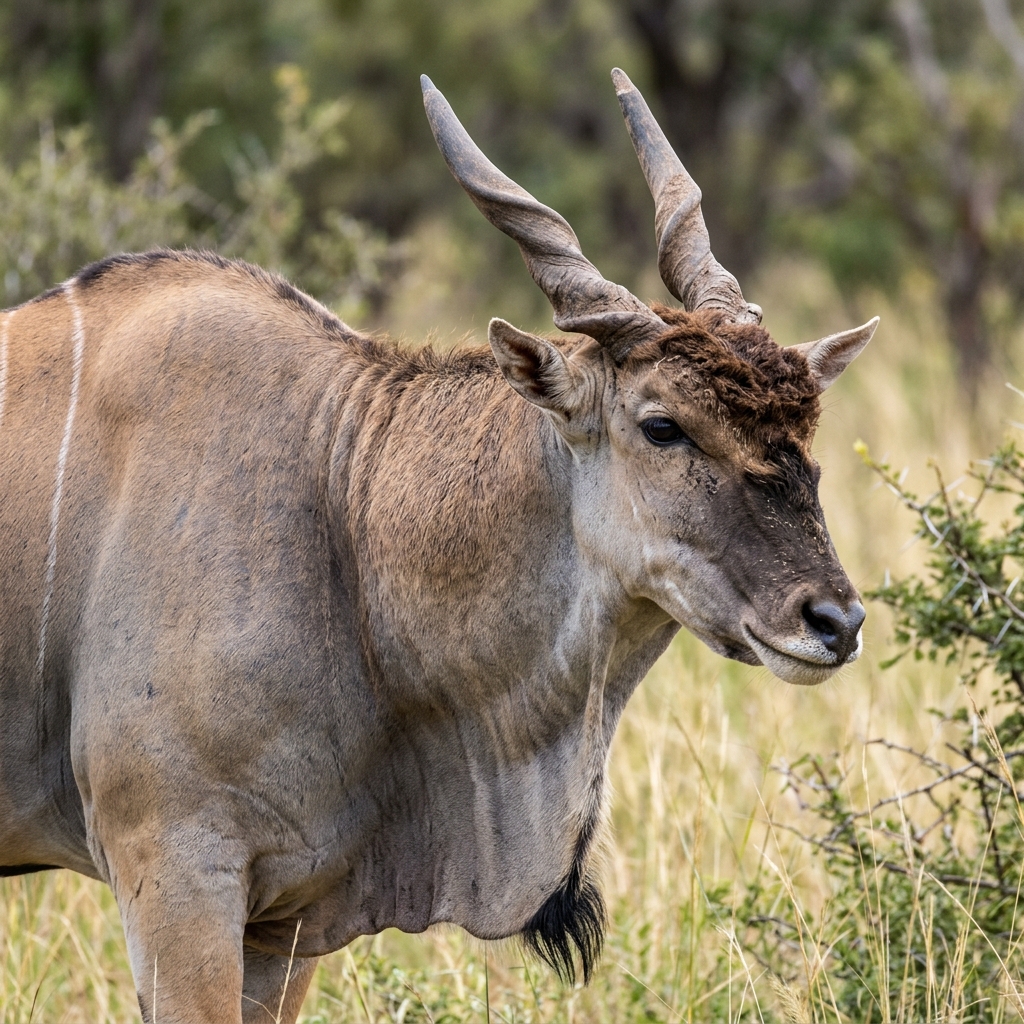
The cow
Cows carry the same spiral horn architecture as bulls, but on a slighter frame with thinner shafts, smaller basal mass, and less of the bull’s front-end armour through the neck and dewlap. They anchor nursery herds, set the daily rhythm between shade and feed, and teach calves where water and cover line up on your property. Trophy plans usually target bulls, yet cows still deserve the same field discipline: wrong sex or age class is an own goal that quota and reputation pay for.
- Sex ID at distance uses body depth, horn thickness, and gait. Never bet the farm on a single silhouette in heat shimmer.
- A cow with calves reads tension faster than lone bulls. Wind and line matter before you squeeze another step.
- When census calls for female harvest, paperwork and PH sign-off still own the last word, not enthusiasm.
“The eland you saw at two hundred metres is not the same animal after it steps into thicket. Believe the cover, not your pride.
Lawns, pods, and browse ladders
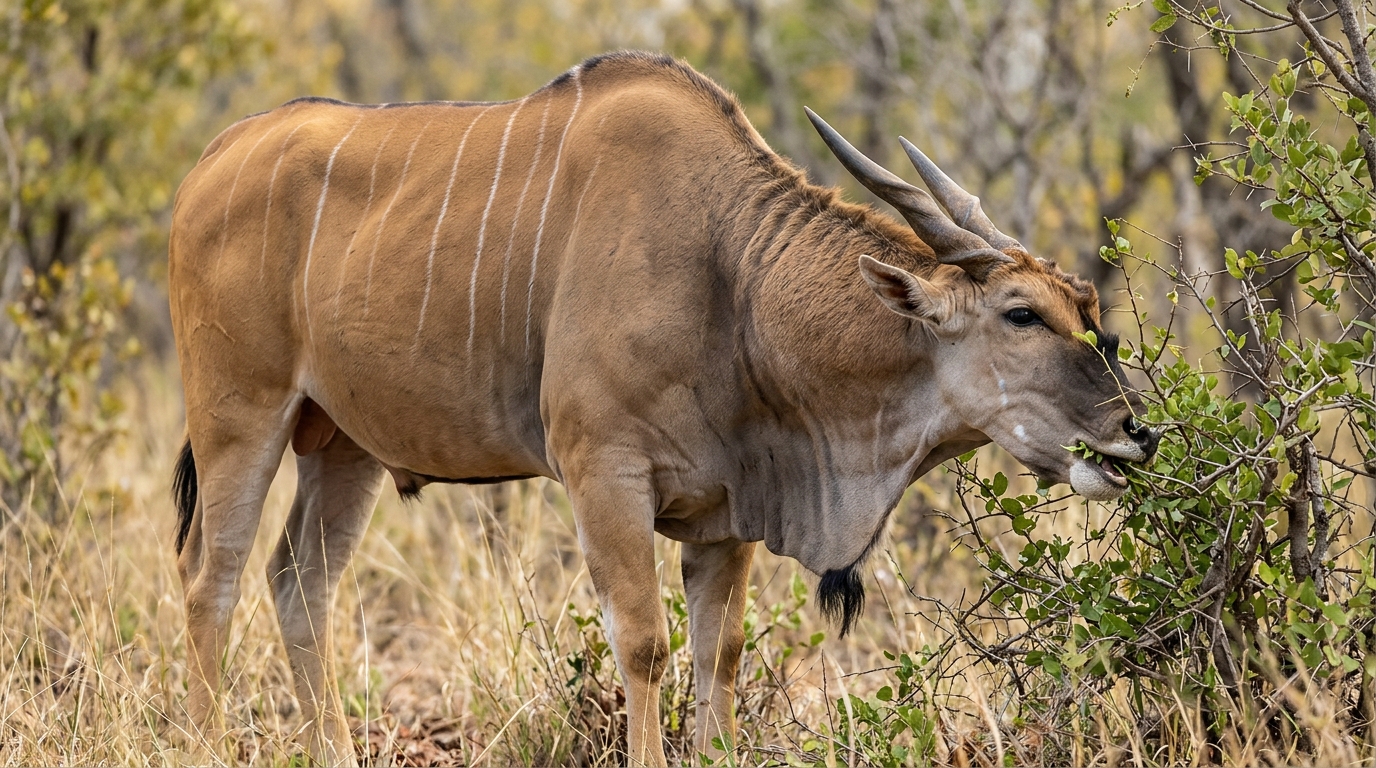
Eland graze when grass is sweet and climb into browse when fibre rises. Acacia pods, forbs, and flowers rotate through the diet. That flexibility makes them durable in droughts that starve pickier grazers.
Water dependence is real. Dry-season drink patterns are stalkable and ethically ambushable when done without harassment.
Heat pushes shade behaviour. Mid-morning still-hunts along thicket rims can intersect animals returning from water or finishing a feed loop.
Mixed feeding and carrying capacity
Eland are bulk mouths. If lawns look scalped and eland look glossy while smaller species fade, ask hard questions about competitive exclusion and quota.
Field note
When an eland herd stares without stamping, wind is often already a verdict. Reset before you advance.
Herds, nursery bands, and bull politics
Female herds
Loose groups with shared vigilance. Calves learn escape lanes early.
Bachelor bulls
Rehearse pushing matches before territory days. Good glassing school.
Mature bulls
Heavy neck, worn horns, attitude. Respect distance during rut windows.
Spot and stalk
Use folds and thicket rims. Plan for the moment cover swallows a tonne of meat.
Ambush
Dry-season water with patience. Let broadsides happen without fence panic.
Tracking
Heavy hooves in soft ground tell urgency. Follow the stride story honestly.
Rut follows nutrition. Expect urine testing, flehmen, and shoving matches that look slow until they are not.
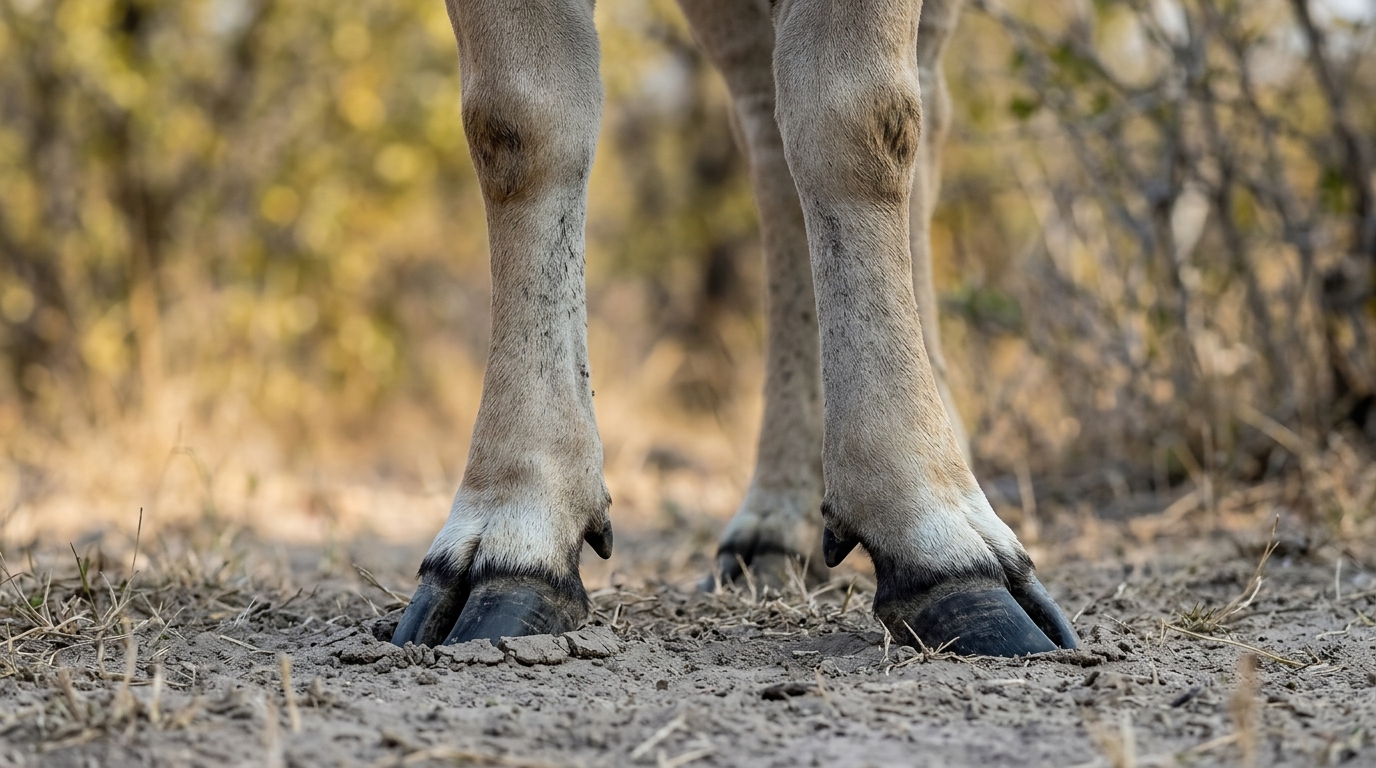
Hunting the spiral giant
Eland hunts are wind, glass, and shot discipline. You are not punching paper. You are placing a bullet through heavy muscle and bone on an animal that can run far when pushed.
They look slow until a wrong wind turns a thicket edge into a corridor. Your professional hunter is not scenery. Listen when distance, angle, and backdrop are vetoed, especially once blood is on the menu and follow-up is a team contract.
Sticks, packs, and a cold bore you actually zeroed matter more than catalogue bravado. Eland forgive little when shot placement is lazy: plan recovery routes, manpower, and meat chain steps before the rifle comes off safe.
On the Iron Mountain we align stalks with census, season, and heat. The spiral in your binoculars is not a target dot. It is a reminder that heavy antelope deserve humility, premium construction, and the patience to wait for a true broadside.
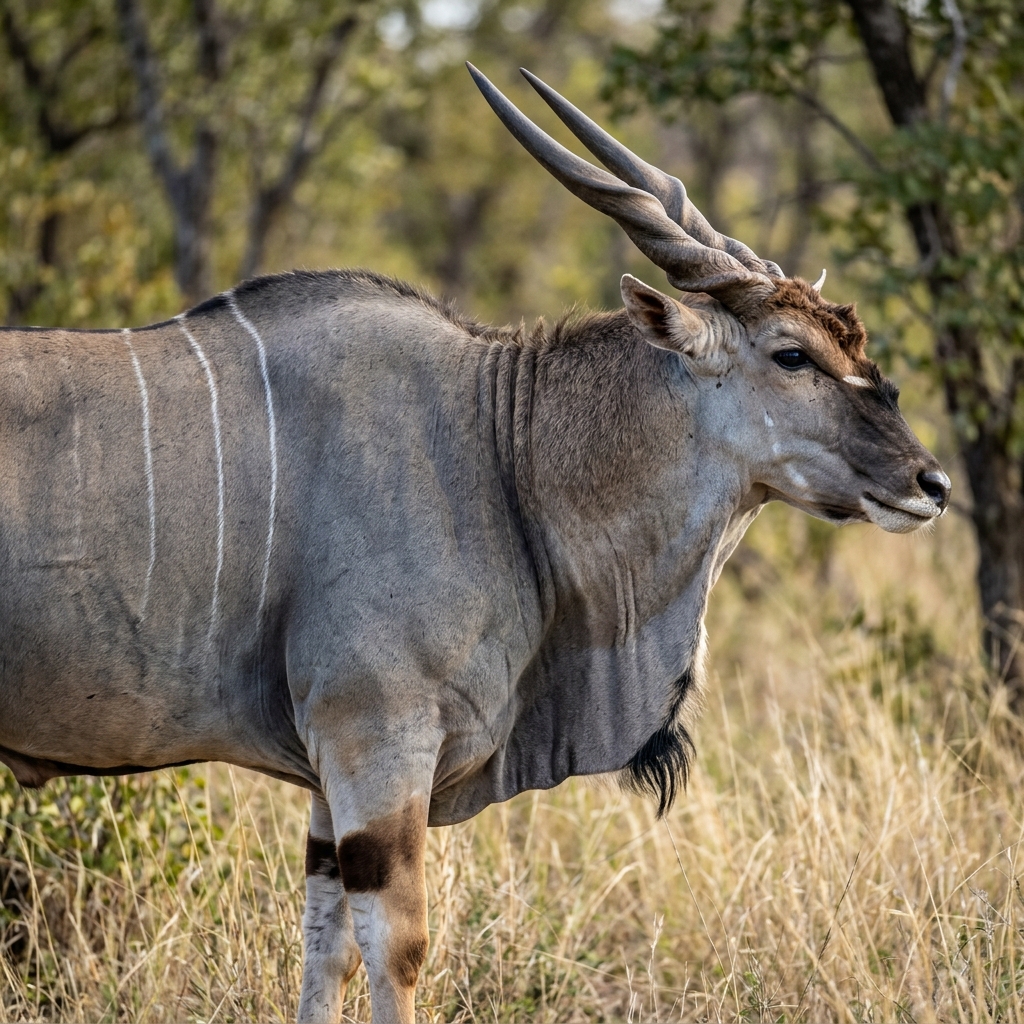
Spirals, mass, and age
Trophy eland marry horn length with basal mass and spiral integrity. Compare animals when the ranch allows. Rowland Ward minima are a floor, not the brief.
Body condition and range health belong in the same sentence as horn tape.
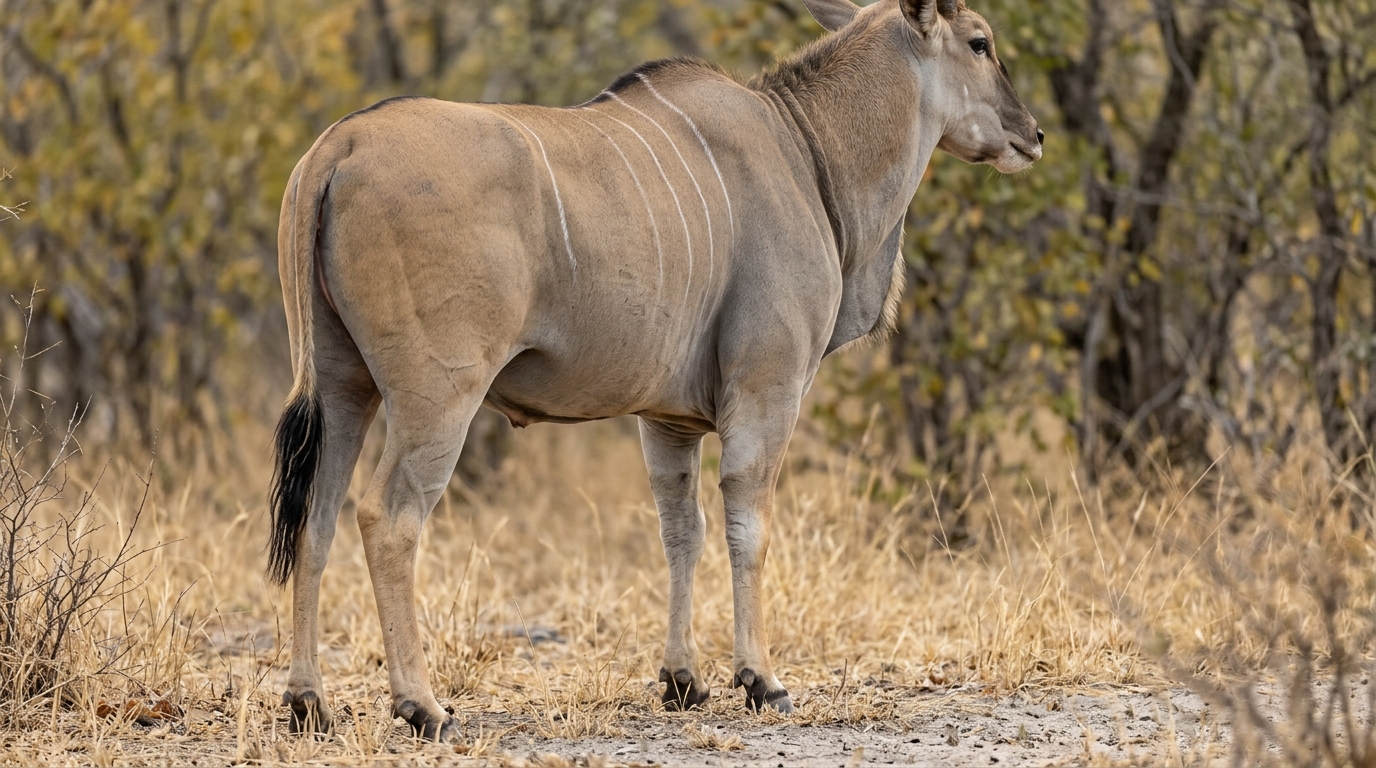
Rifles, bullets, and heavy-antelope respect
Eland deserve premium controlled-expanding bullets in the .30 magnum class or larger when in doubt. Shot placement still beats calibre theatre.
| Class | Examples | Notes |
|---|---|---|
| Minimum | .30-06, .308 Win | 180 gr bonded class on perfect broadsides. |
| Standard | .300 Win Mag, 7mm Rem Mag | Heavy-for-calibre premium for confidence on angles. |
| Heavy plains | .375 H&H, 9.3x62 | Matches estate brief and client peace of mind. |
| Classic | .338 Win Mag | Where recoil discipline and punch already live in your hands. |
- Broadside: Heart-lung or shoulder-breaking lines per PH brief. On eland the chest sits deep and the brisket carries mass your deer intuition will underestimate; let the PH translate ‘third up’ into your reticle language, then hold for a true vertical instead of chasing horn tips that drift in parallax.
- Angle: Long spirals hide presentation. Wait for truth. Quartering shots that look generous beside kudu often fail here because spiral mass and gut bulk steal margin; if the spiral cheats the shoulder line or the near leg hides the brisket, the honest answer is still no shot.
- Follow-up: Mark land. Heavy animals leave sign if you look calmly. Eland can leave a deceptive grace note of blood, then fold into thicket while you are still congratulating the recoil; treat every follow-up like a team contract with radios, water, and manpower already named before the bullet leaves.
- Recovery: Plan meat logistics before the shot. Respect the animal’s weight. Winch points, gutting space, and chiller capacity scale with half-tonne reality; trophy and meat stories only align when the chain from bush to cold room is brief, legal, and staffed.
- Rest: Sticks, bipod, or vehicle rest per estate rules. Off-hand bravado on a tired shoulder is how spirals become excuses; cold bore honesty beats catalogue numbers when the sun is high and the animal is still.
- Wind: Thermals on open woodland edges move earlier than you want. Reset when the string goes still; eland often vote on wind before you finish adjusting magnification.
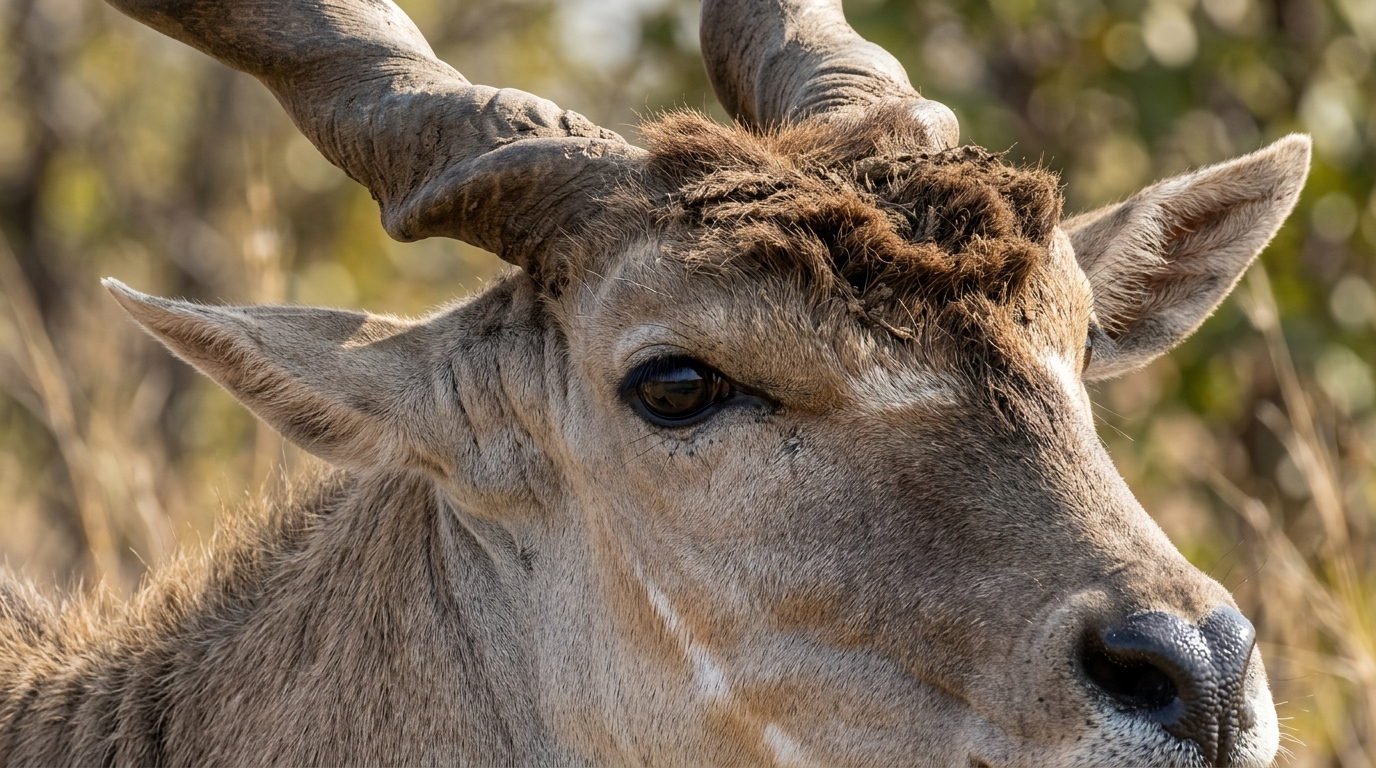
Quick reference
| Scientific name | Taurotragus oryx livingstonei |
|---|---|
| Caliber (estate brief) | .375 H&H |
| Rowland Ward | Min. 30" |
| Terrain tag | Open woodland |
| Mass (bull) | Can exceed 500 kg in exceptional farm condition |
| Horns | Spiralled in both sexes; bulls carry trophy focus |
| Feeding | Mixed grazer-browser; seasonal diet shift |
| On Iron Mountain | Open woodland · quota and age rules follow the annual census |
Ready for the giant?
Bring a rifle you can place cold from sticks. Bring patience for animals that disappear behind one false thicket. We match hunts to census and carrying capacity, not to brochure ghosts.