Black cape, scimitar, iron nerve
Sable Antelope · Hippotragus niger
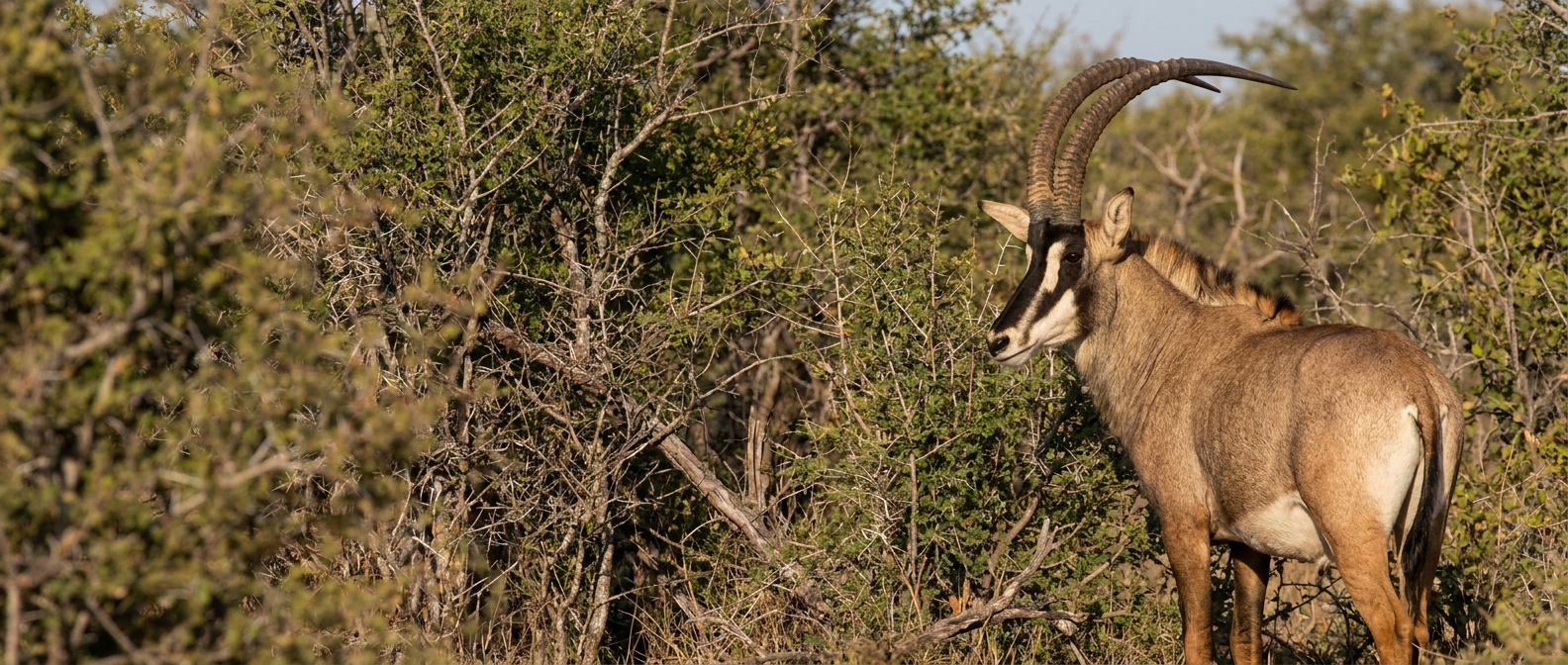
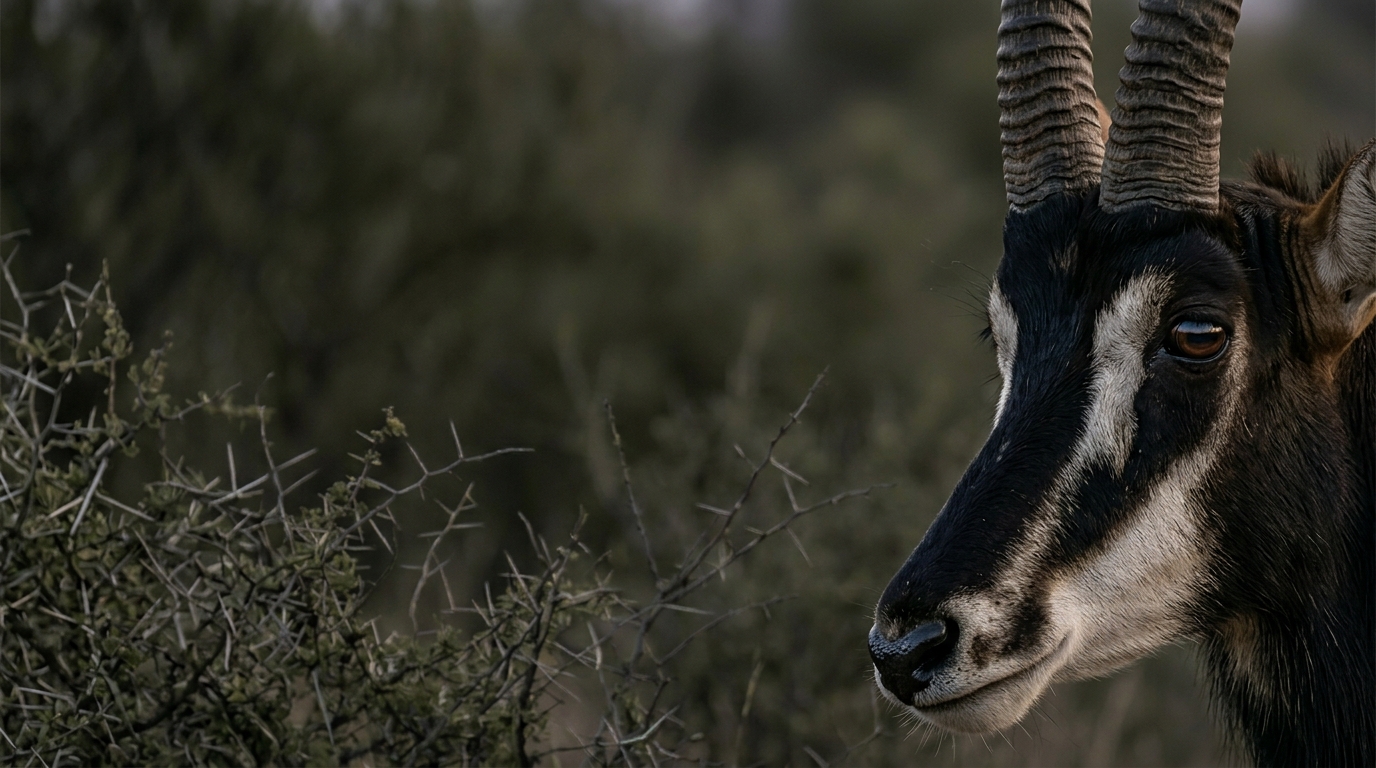
Sable are Hippotragus niger: one of Africa’s most beautiful antelope and one of the most dangerous at close quarters. Rams carry backward-sweeping scimitar horns with razor attitude; cows carry slimmer horns and serious temper when cornered.
Sable graze and browse in woodland mosaics, often at the edge of open glades where light deceives range. They are herd animals with stallion-like bull posturing. Clashes are violent, short, and loud. On well-managed estates they signal genetics and carrying capacity; on crowded ground they break fences and gore each other.
This monograph covers Hippotragus taxonomy beside roan, horn architecture and sexual dimorphism, mixed feeding, herd behaviour, lion predation where cats persist, fieldcraft for shot discipline inside timber, rifles from .300 magnums upward with premium controlled bullets, trophy talk on horn length and curvature, and meat that rewards cold handling.
Taxonomy and the hippotragine crown
Sable and roan share the Hippotragus genus. Both carry horse-like manes and serious horns. Subspecies narratives exist; your permit text should match what you shoot.
Sable
H. niger
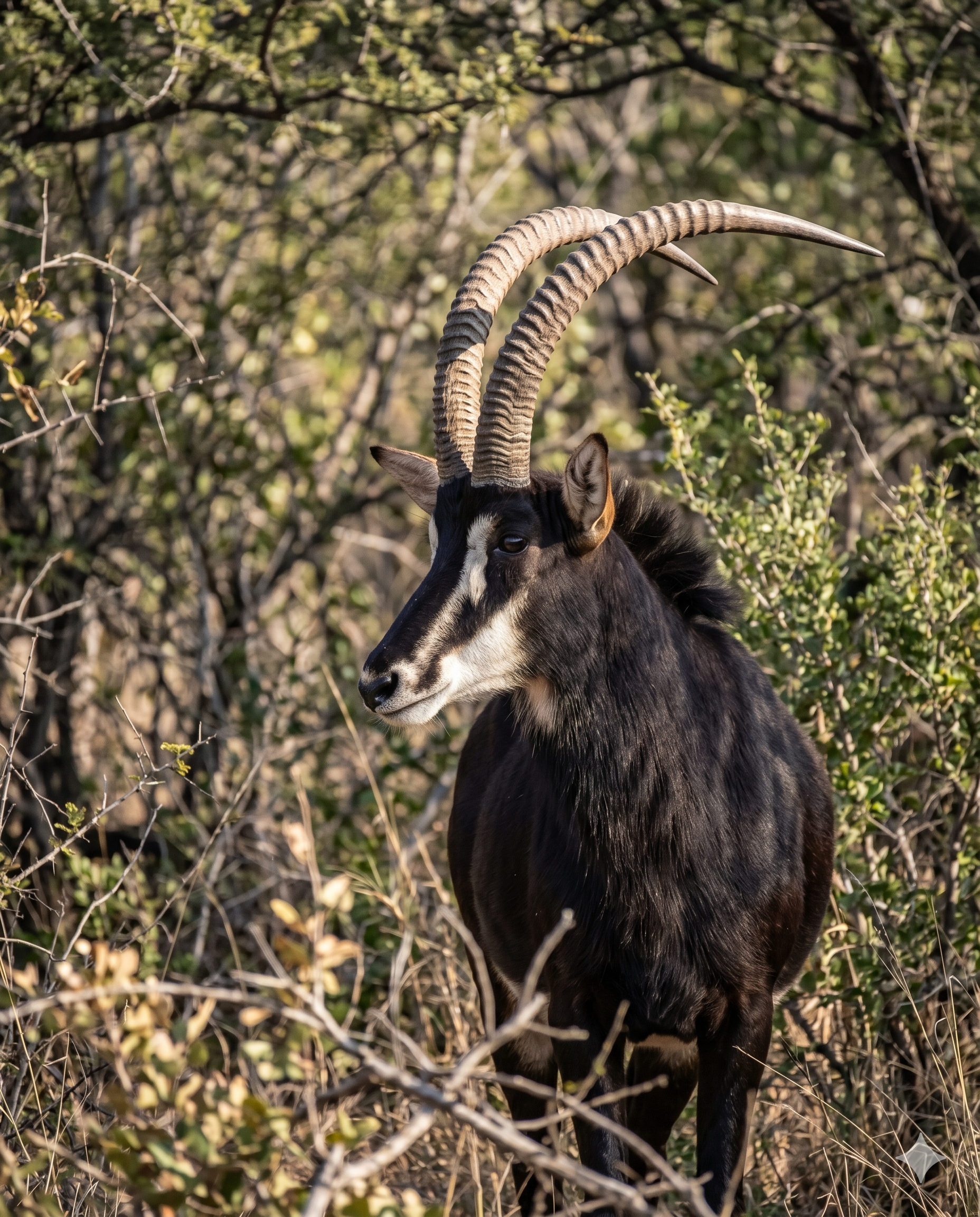
Black mature males with white face and belly; cows chestnut with scimitars.
Roan cousin
H. equinus
Roan carry heavier build and facial masks; do not confuse at speed.
Ecology
Woodland edge
Signals browse-grass balance on the property.
Scimitar, mane, and the cow’s temper
The bull
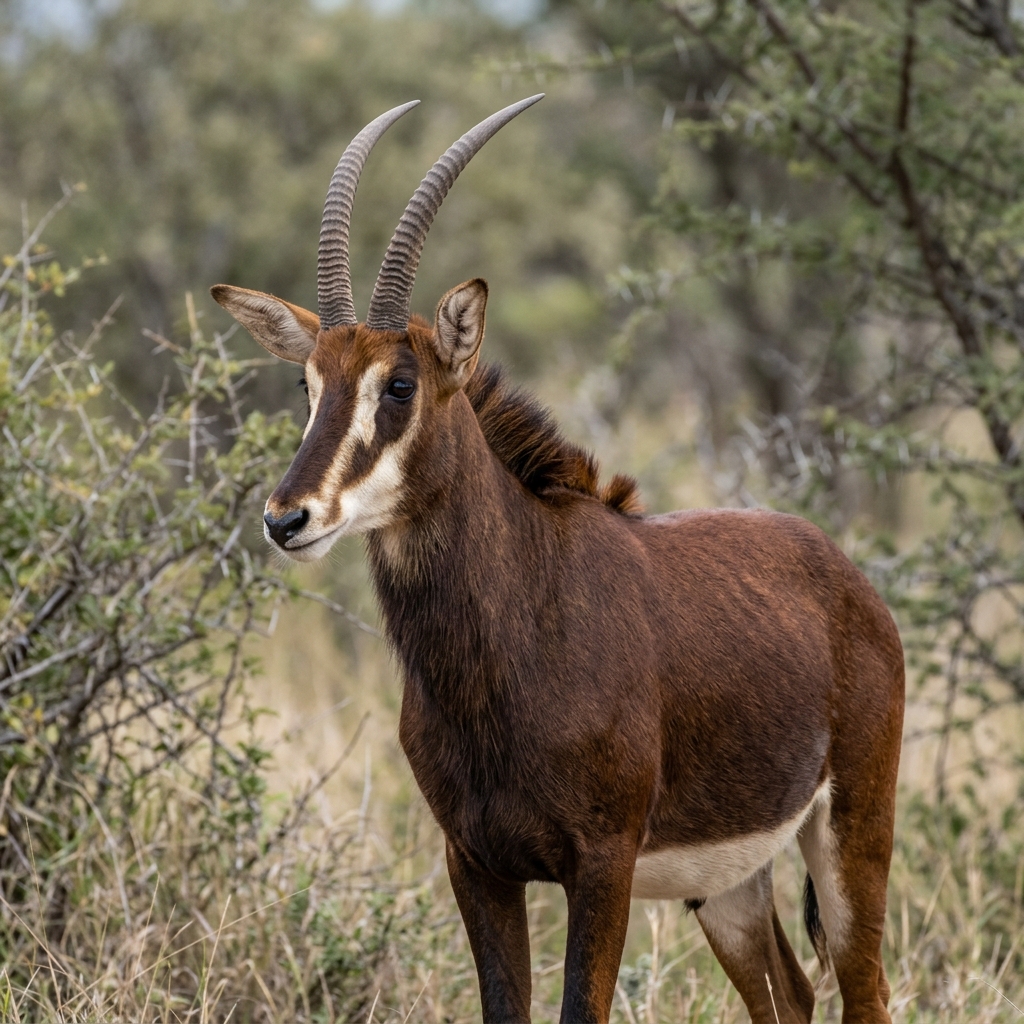
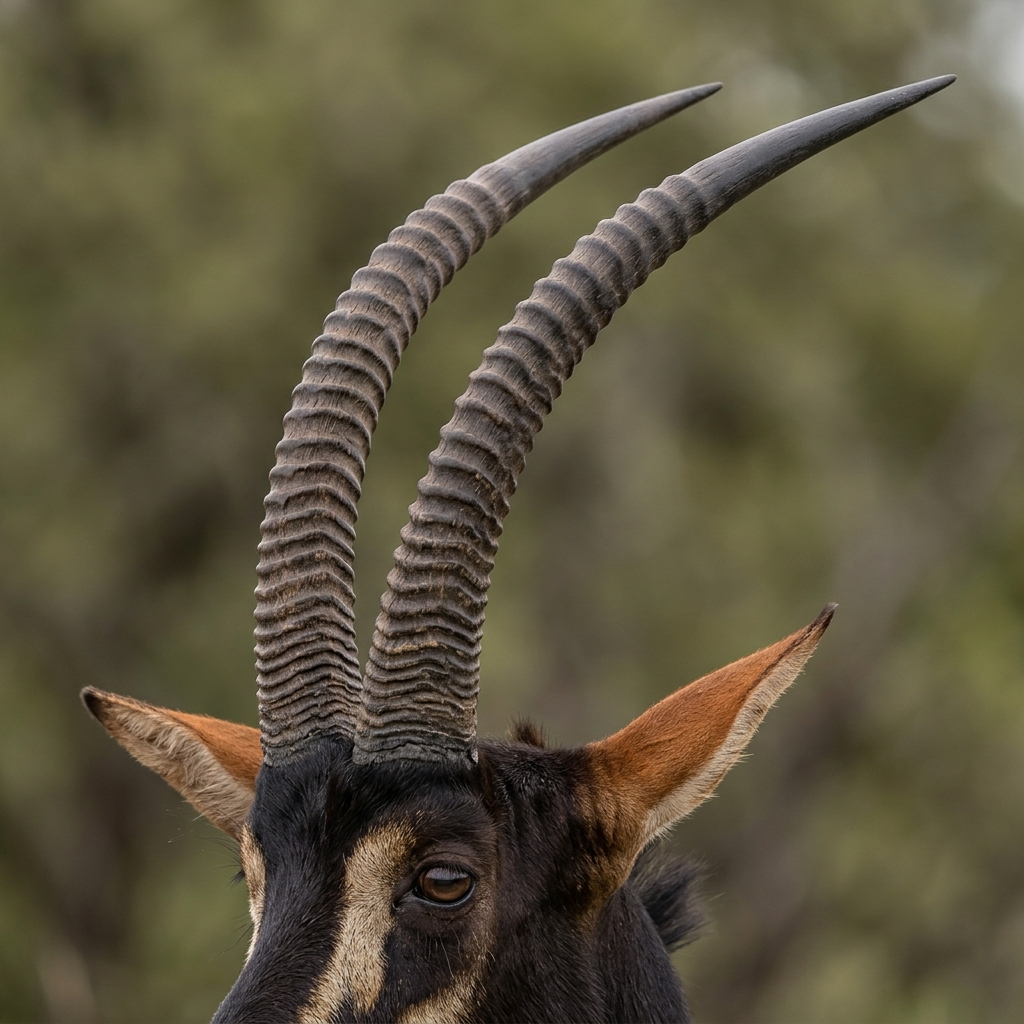
Mature bulls commonly run 220 to 270 kg class with shoulder height near 120 to 140 cm depending on soil. Horns sweep back in long curves with length often quoted past a metre in exceptional animals. The neck mane and facial mask read age alongside horn chips.
- Ground fighting sharpens horn tips. Respect approach on a down bull.
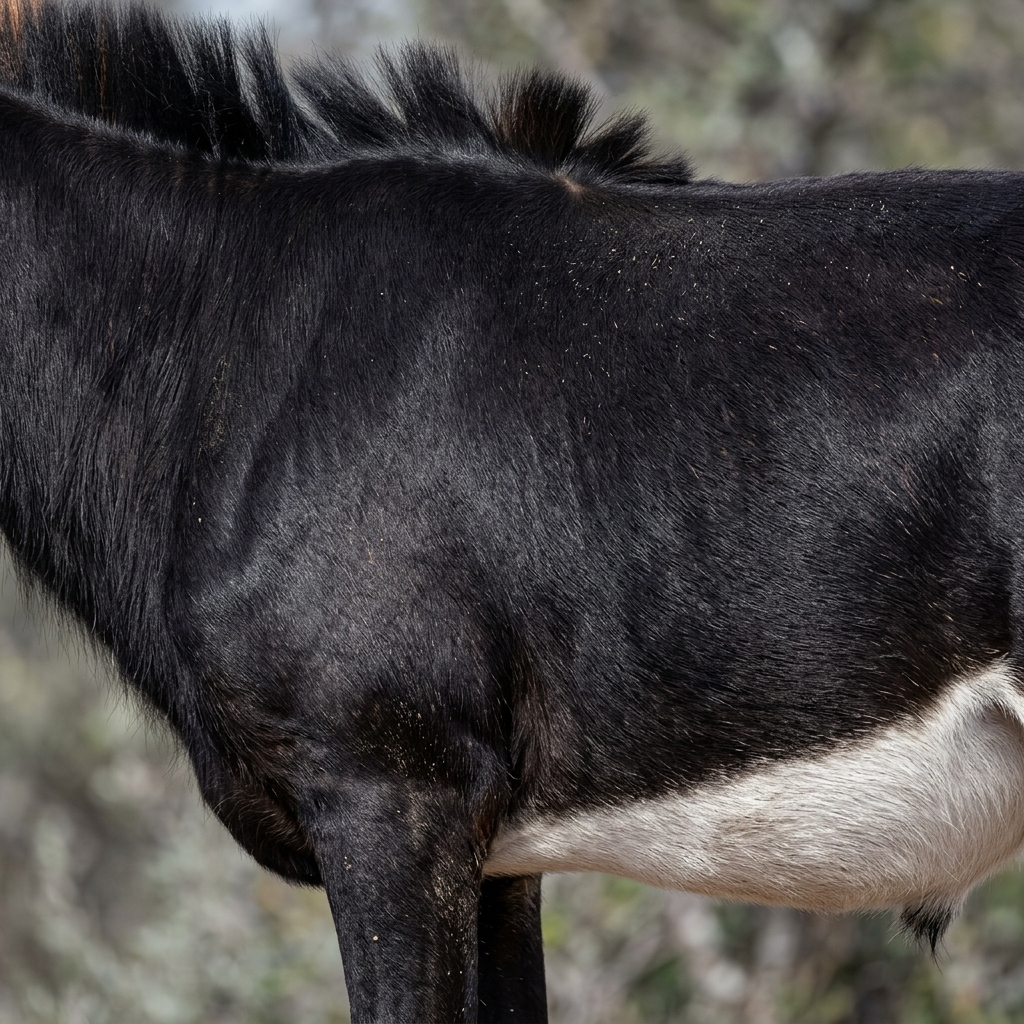
- Black pelage can hide muscle seams in shadow; glass body depth.
The cow
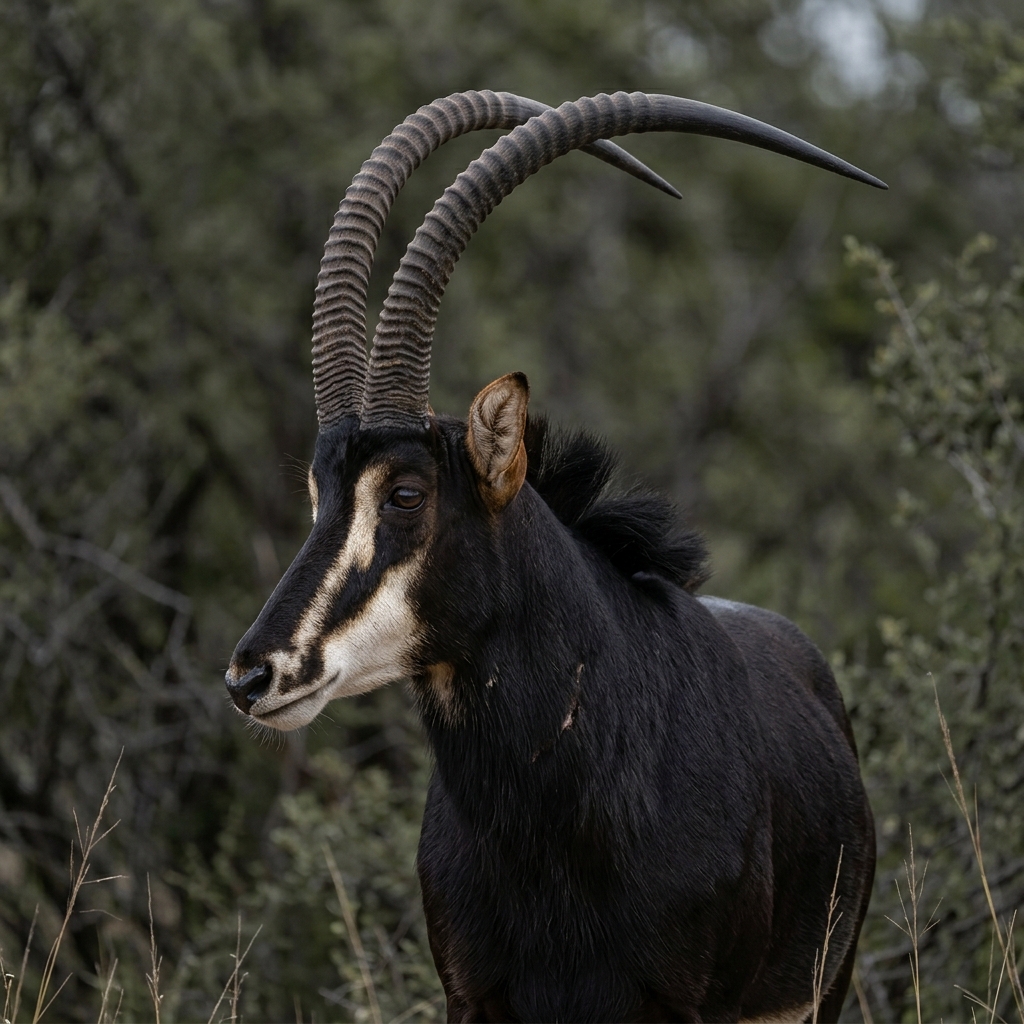
Cows carry the same scimitar architecture as bulls, but on a shallower frame with finer horn shafts, less neck armour, and a herd role built around calves, babysitting, and shared vigilance in woodland openings. They are not background animals in a capture crush: horn length can still cross a ribcage, and a cow with a calf at heel reads stress faster than a lone bull on a lawn. Trophy language on many estates targets mature bulls, yet every encounter with cows still demands clean sex and age confirmation, because a rushed silhouette call in broken light is how quotas and reputations both bleed.
- Nursery strings often park with heads on different bearings; use that geometry before you assume a single safe backdrop.
- In boma work or dense timber, treat horn sweep as a radius problem, not a size joke.
- When census calls for female reduction, PH and paperwork still own the veto, not enthusiasm.
“A sable that turns broadside at forty metres still owns forty metres of kill radius if you botch the first shot.
Woodland glades and the grass beneath
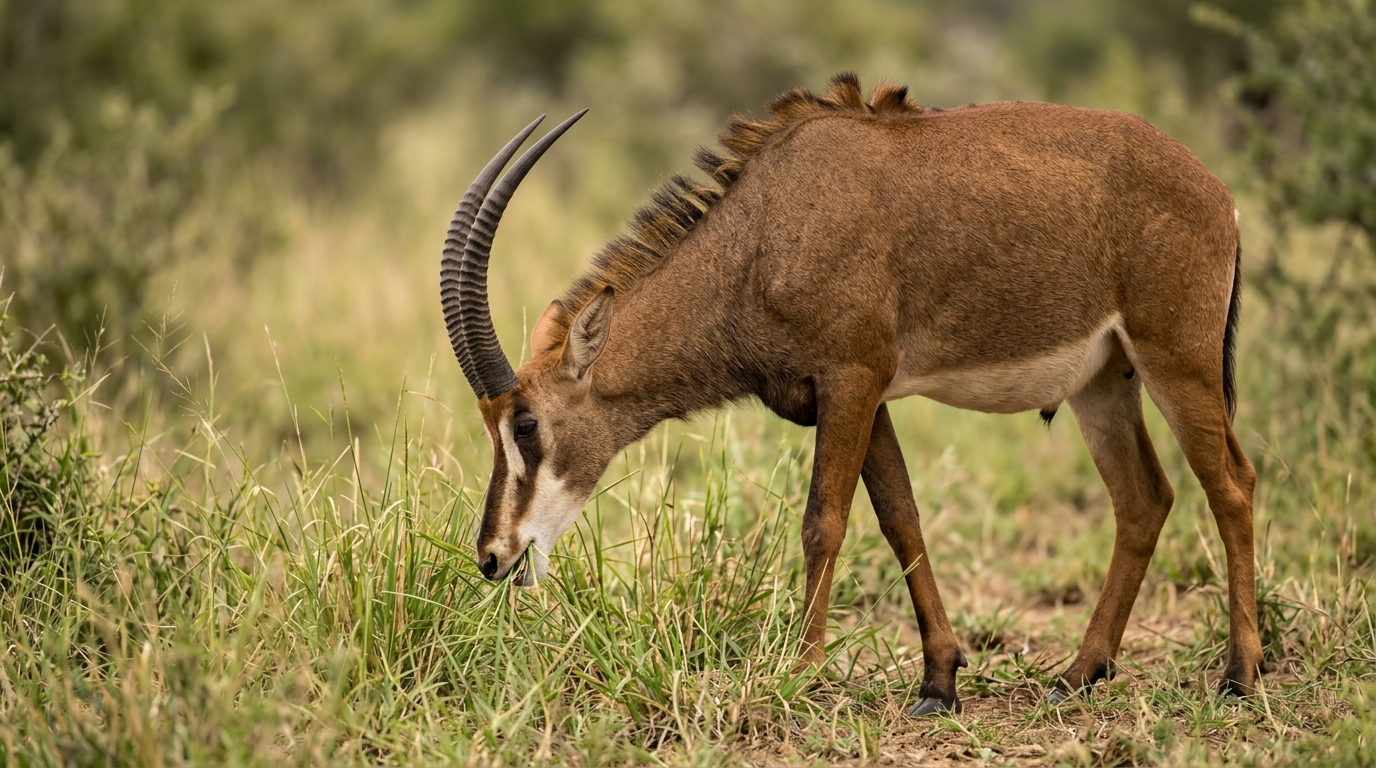
Sable mix graze and browse, shifting with season. They like edges where sunlight hits grass under tree cover.
Lions pull adults where ambush geometry works; calves vanish fast in herds.
High-value genetics can crowd small properties. Density is not kindness.
Mixed feeding and fence stress
When browse thins, sable test fences and neighbours. Managers read horn offtake against body scores.
Field note
Listen for horn clash percussion. It travels farther than hoof noise.
Lions in timber, humans on shot discipline
Lions use light lines at glade throats. Human hunters owe premium bullets and calm breathing because follow-up inside sickle bush is where ethics die.
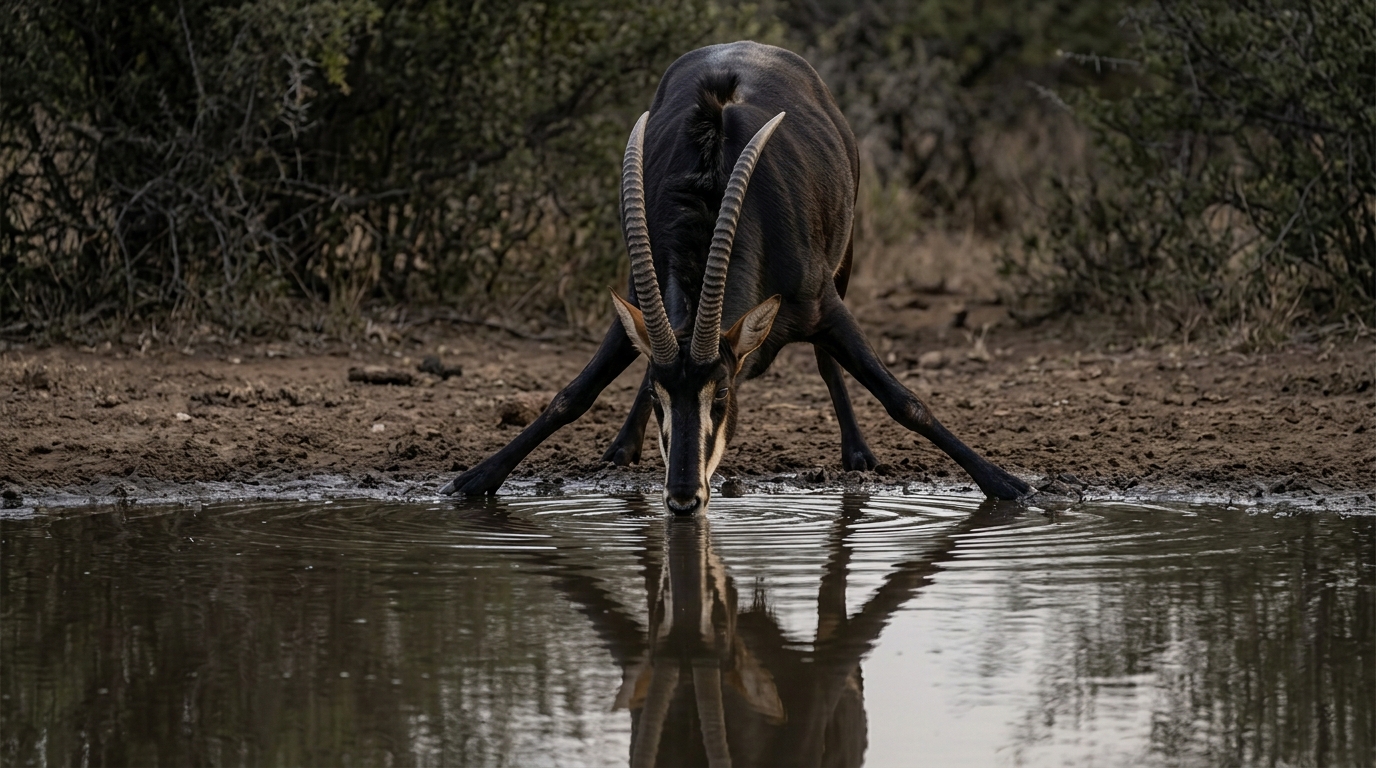
Herd strings, bull duels, dominance bluntness
Female herds
Shared ears along glade edges.
Bull politics
Clashes at close range. Never walk through the theatre.
Predators
Lions ambush glades; dogs rare but catastrophic.
Spot and stalk
Use sun patches to read bodies; freeze when ears lock.
Ambush
Glades and water lines in dry months.
Tracking
Sharp slots; stride shortens when browsing, lengthens when spooked.
Rut is pushing, horn fencing, and rude spacing. Give bulls room; cameras are not armour.
Hunting the scimitar in cover
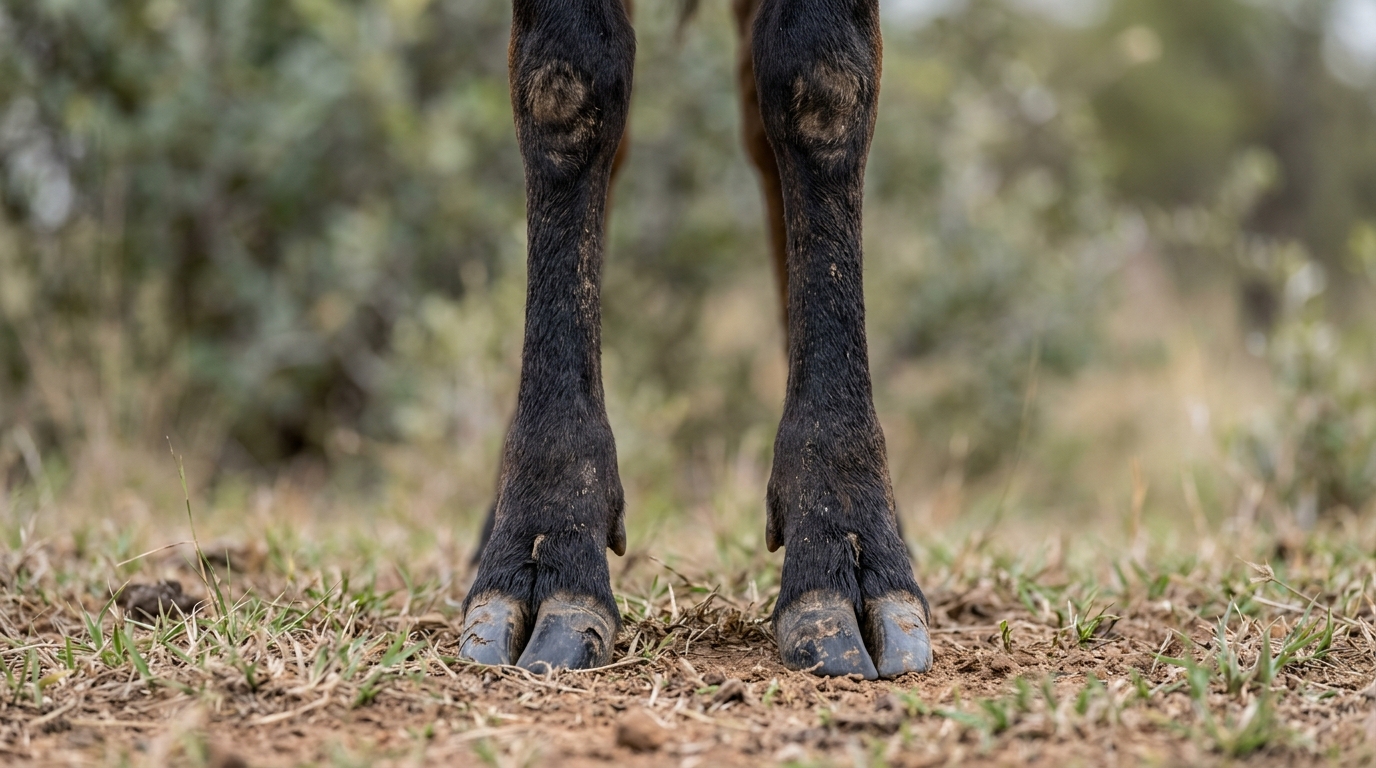
Glass, wind, and shot windows beat rushing for hero photos. If you cannot see legs, you do not have a shot.
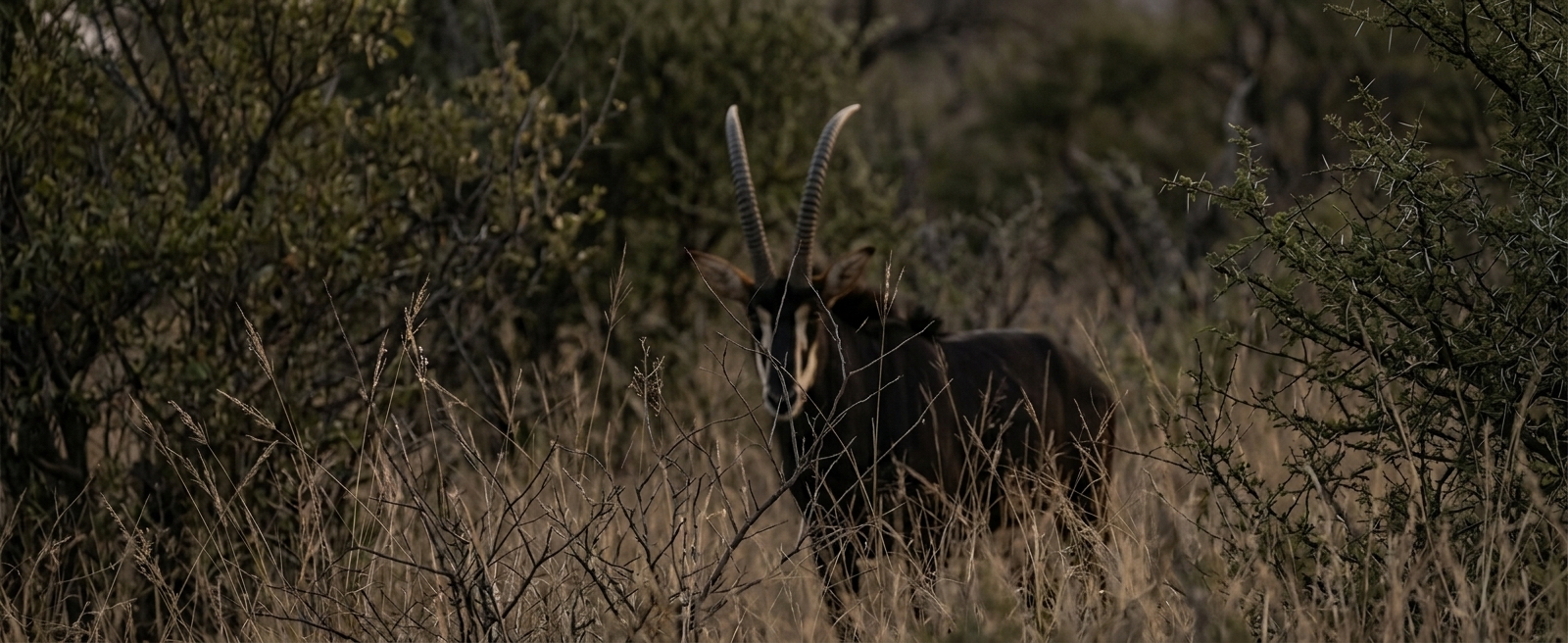
Sable love timber rims and attitude. Black bulls vanish into shadow until horn curve and chest depth read true. Thicket and temper demand premium bullets and calm sticks.
Your PH still owns angle, brush, and which bull is actually legal in the string. Rut theatre is not permission to spray steel into a moving arc.
On the Iron Mountain we match sable hunts to census and cover. Trophy is scimitar integrity on the right bull after wind and distance earned the shot.
Trophy sense on curve and mass
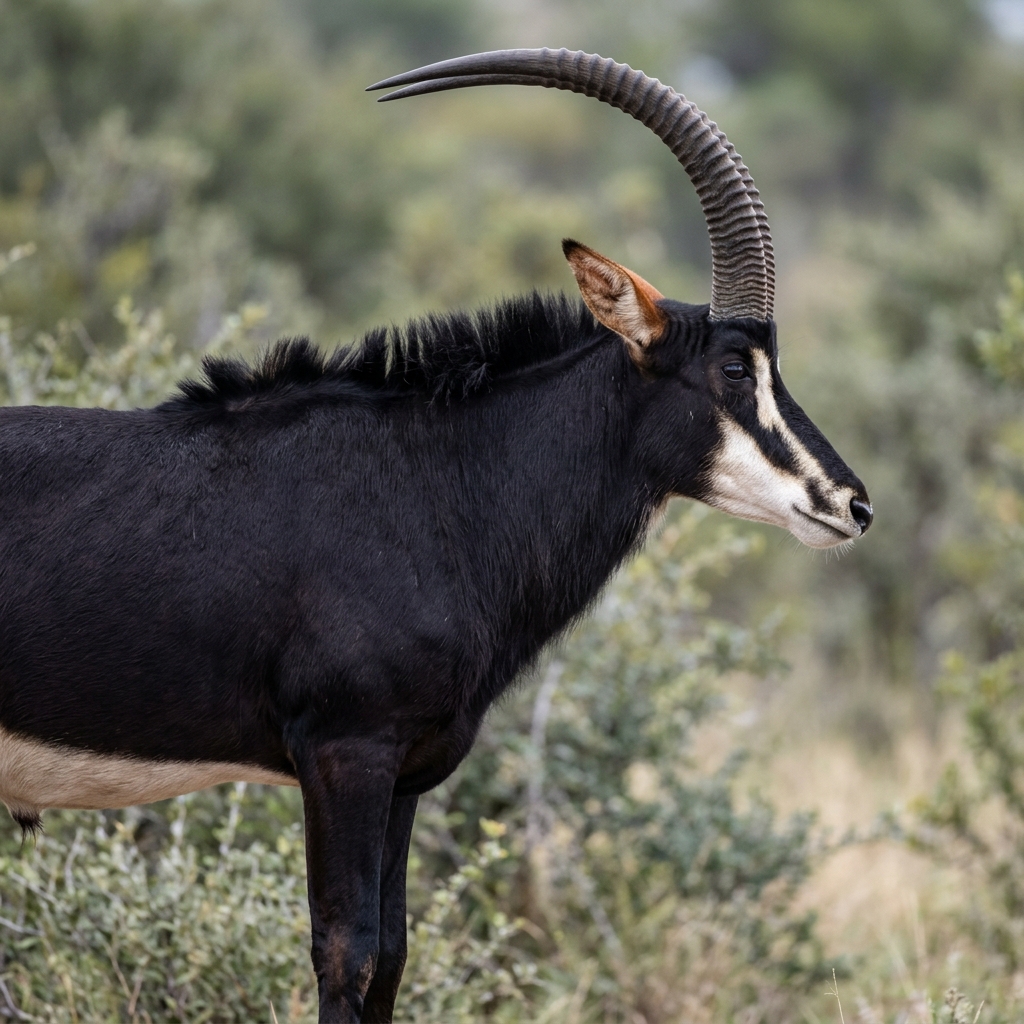
Horn length, basal mass, and curve integrity beat black gloss. Compare animals when the ranch allows.
Rowland Ward minima are reference; PH judgement on age and genetics is final.
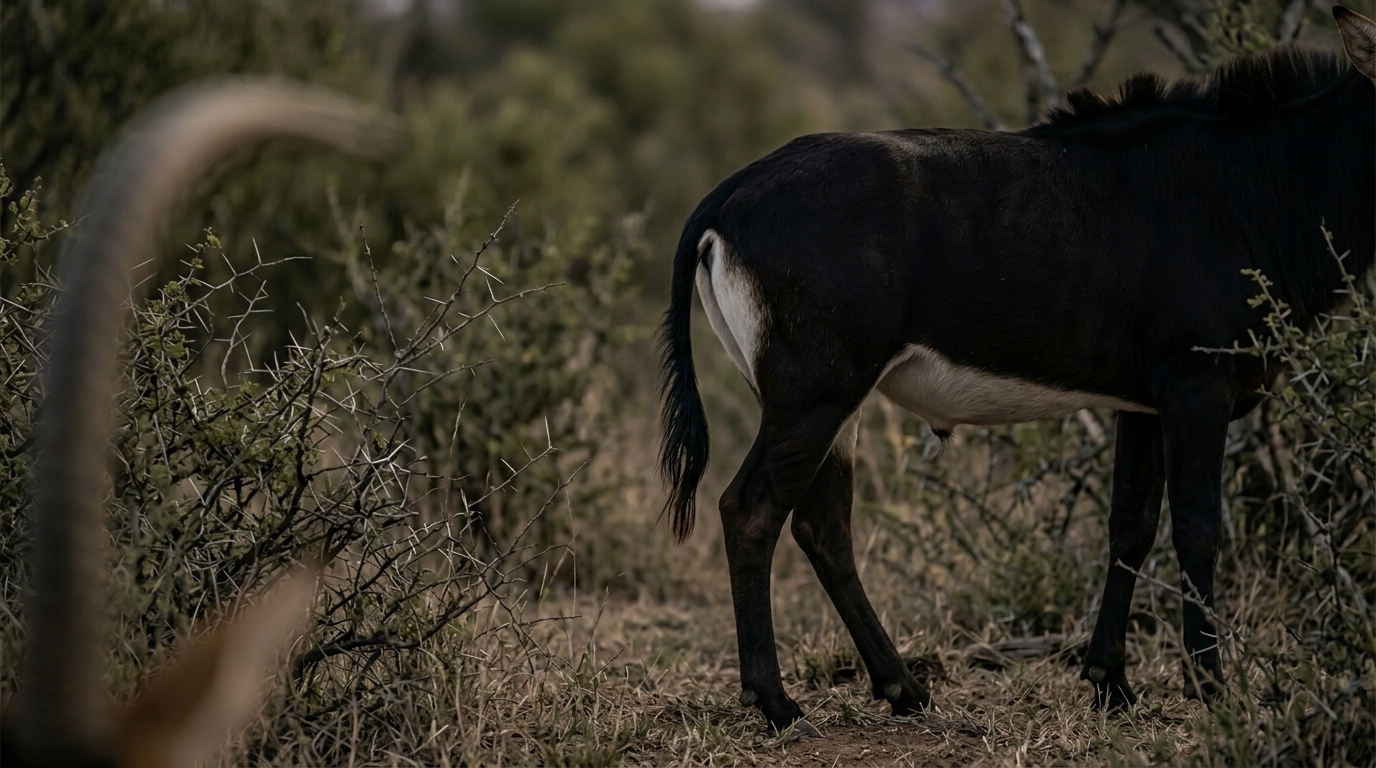
Rifles, penetration, and timber lies
Treat sable like serious antelope: .300 Win Mag class with premium controlled bullets is common sense; .375 H&H is welcome when angles stink or mixed dangerous game shares the week.
| Class | Examples | Notes |
|---|---|---|
| Minimum | .300 Win Mag | 180 gr premium, broadside discipline. |
| Standard | .30-06 | Only with perfect angles and heavy bullets. PH sign-off. |
| Preferred | .375 H&H | Angles, timber, and client confidence. |
| Note | Construction | Bonded or monolithic if brush lies. |
- Broadside: Forward shoulder line; heart-lung first.
- Brush: Assume a twig; pick a window.
- Follow-up: Assume a wounded sable runs at you, not away.
- Approach: Horns move faster than you think when down is not dead.
Quick reference
| Scientific name | Hippotragus niger |
|---|---|
| Caliber (estate brief) | .300 Win Mag / .375 H&H |
| Rowland Ward | Min. 42" |
| Terrain tag | Woodland & mixed bush |
| Horns | Both sexes; bull scimitars massive |
| Danger | Close-quarters goring risk. PH discipline |
| Calibre | .300 Mag+ common; .375 welcomed |
| On Iron Mountain | Woodland & mixed bush · quota and age rules follow the annual census |
Ready for the scimitar?
Bring heavy bullets and humble feet. We match animals to genetics and grass, not to bravado.